


Black History Month is not only an important cultural observance in the United States, but also a highly emotion-driven sales season for the Print on Demand (POD) market. As consumers increasingly prioritize products that express identity, social values, and cultural respect, Black History Month presents a significant opportunity for sellers who prepare with the right strategy. This article will help you understand why Black History Month is a sales season that cannot be overlooked, how American consumer behavior shifts during this period, how to prepare effective designs, and the key considerations for tapping into this market in a sustainable, responsible, and revenue-optimized way.
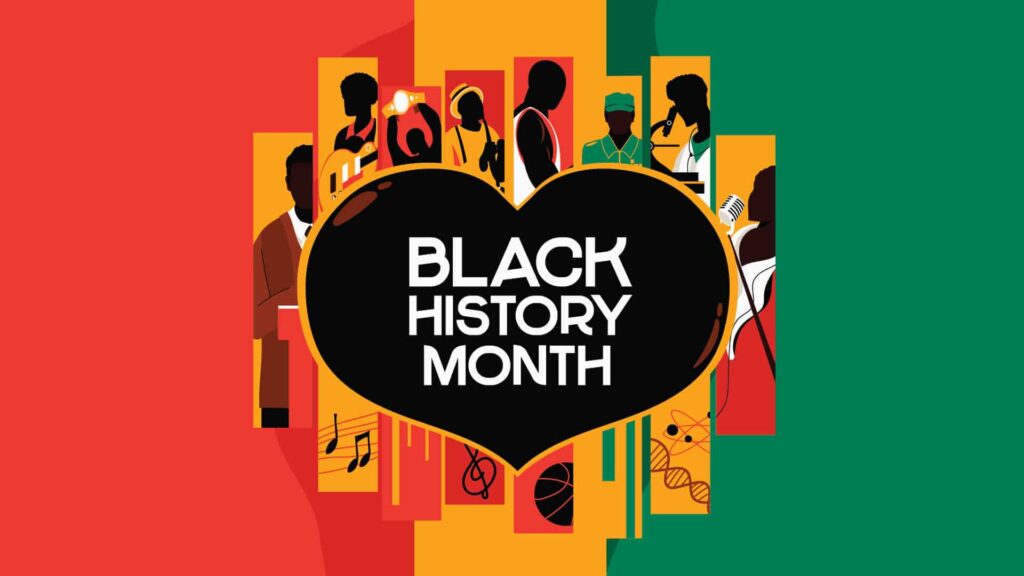
Why Is Black History Month an “Unmissable” Sales Season for POD Sellers?
Black History Month, observed every February in the United States, is a time when American society collectively reflects on, honors, and celebrates the contributions of African Americans throughout history, culture, science, the arts, and the civil rights movement.
Emotional Value Goes Beyond Price
During this period, customer purchasing behavior changes significantly. Shoppers are no longer browsing for the “cheapest” T-shirt or simply something that looks good on the surface. What they are truly looking for exists on a deeper level:
- Empathy: Designs that speak to historical struggles or express hope for the future.
- Meaningful messages: Inspirational quotes that empower and affirm identity.
- Respect for identity: Designs that celebrate skin tone, natural hair, and cultural heritage.
This is where the Print on Demand (POD) model becomes a perfect fit. POD uniquely enables personalization and design diversity, allowing sellers to tell highly specific and meaningful stories. When a product reaches an emotional touchpoint,where customers feel pride, recognition, and support being expressed, price becomes a secondary consideration. Buyers are willing to pay a higher average order value (AOV) for products that help them express who they are.
Extended Purchasing Demand
Unlike the urgency of Valentine’s Day, which is heavily focused on gift buying before February 14, or the intensity of Black Friday, where shopping is compressed into just a few days, Black History Month is an observance that spans the entire month of February.
This “long-run” nature creates significant operational advantages for sellers:
- Room to test and scale: Sellers have ample time to experiment with multiple design concepts, identify winning designs, and safely scale advertising budgets without the risk of trends fading too quickly.
- Reduced fulfillment pressure: Because demand is distributed more evenly throughout the month, production and shipping workloads are far less strained compared to peak seasons like Christmas, helping to minimize cancellations and disputes caused by delayed deliveries.
A Perfect Fit for the “Value-Driven Shopping” Trend
Modern American consumers especially Gen Z are rapidly shifting toward value-driven shopping, where purchasing decisions are based not only on products, but on the values a brand represents. They are more likely to support brands that:
- Demonstrate social responsibility (CSR)
- Respect Diversity, Equity, and Inclusion (DEI)
- Avoid superficial or exploitative use of cultural themes
Executing Black History Month thoughtfully does more than drive short-term sales in February, it helps POD sellers build long-term trust. When customers see that a brand genuinely understands and respects their culture, they are far more likely to become loyal buyers and continue supporting the store during other cultural moments such as Juneteenth (June) or Kwanzaa (December).
Black History Month & American Consumer Behavior
To succeed during Black History Month, sellers need to understand why Americans make purchasing decisions not just what they buy.
Shoppers Prioritize Message Over Appearance (Content Is King)
In the POD world, sellers are often drawn to creating complex, multi-layered artwork. However, sales data from multiple Black History Month seasons reveals an important insight: minimalism paired with a powerful message consistently outperforms complexity.
Consumer behavior studies during this period show that customers are willing to pay a higher average order value (AOV) for products that can truly “speak for them.”
- The power of typography: Text-based designs that rely on strong fonts, well-structured layouts, and emotionally resonant messaging (such as “Black Lives Matter” or “Rooted in Excellence”) often achieve higher conversion rates (CR) than visually cluttered designs.
- Cultural depth: Shoppers value the thoughtful use of cultural symbols such as the African continent map or Pan-African flag colors when applied in the right context, rather than excessive or random imagery. A design that is simple yet soulful is far more likely to resonate and go viral.
Purchasing to Express Social Stance
POD products during this period are more than just apparel, they serve as a form of communication. Customers purchase Black History Month products to fulfill specific social purposes:
- Statement apparel: Shoppers wear BHM designs to work, school, or community events as a public expression of support for equality and the celebration of cultural heritage.
- Educational gifts: Many parents and educators purchase T-shirts or posters for children and students to teach about historical figures such as Martin Luther King Jr., Rosa Parks, and Harriet Tubman. This type of purchasing behavior carries strong educational value, and storytelling-driven designs or historical quotes often perform exceptionally well.
- Space decoration: Home décor products such as canvas prints and posters see strong demand for decorating offices, classrooms, and living spaces to reflect the spirit of the observance.
Understanding these motivations allows sellers to optimize their mockup images using lifestyle contexts, helping customers easily visualize how the product can be used to express identity and values in real-life settings.
Why Should POD Sellers Start Preparing Black History Month Designs Now?

Right now is the ideal time to prepare. Don’t wait until February to launch your campaign.
The “Shipping Time” Rule
Customers want to wear their Black History Month apparel during February not after the month has already ended.
- For products to arrive by February 1, orders typically need to be placed between January 15–20.
- To generate orders by mid-January, sellers need to start testing designs and scaling ads in early January.
- To run ads at the beginning of January, designs must be finalized and listings published now (in December).
At FlashShip, with our U.S.-based production facilities and optimized workflows, we commit to fast production times of 2–3 days along with reliable domestic shipping. However, launching designs early allows sellers to minimize potential market-wide shipping congestion and secure early mindshare with customers ahead of competitors.
CPM Competition (Advertising Costs)
January is typically a period when CPM (Cost Per Mille) on platforms like Facebook and TikTok is lower than in Q4, as major brands reduce their advertising budgets after the holiday season. However, as February approaches, POD sellers begin pouring budgets into the Black History Month niche, driving bidding costs higher. Testing early and identifying winning campaigns allows sellers to optimize costs and scale budgets more efficiently as the market heats up.
Time for In-Depth Research and Design
Black History Month cannot be approached superficially. Sellers need sufficient time to research impactful quotes, identify historical imagery that does not violate copyright, and apply authentic Pan-African color palettes (red, black, and green). Early preparation enables the creation of high-quality designs, rather than rushed, low-quality cloned designs that fail to resonate or perform.
POD Product Categories Suitable for Black History Month
Not all POD products are well suited for Black History Month. Sellers should prioritize product categories that clearly convey meaningful messages, are easy to use, and are highly shareable.
Apparel
It comes as no surprise that apparel consistently accounts for the largest share of Black History Month revenue. The core reason lies in identity expression, customers want to wear their pride and turn their bodies into a “mobile billboard” for messages of equality and cultural recognition.
- T-shirts: A classic staple with a low entry-level price point, making them easy to sell in large volumes, especially for bulk orders from groups, schools, or organizations.
- Hoodies & sweatshirts: Don’t forget the weather. February in the U.S. is still winter or early spring, with cold temperatures in many regions. As a result, demand for hoodies and sweatshirts often matches or even surpasses T-shirts. These products also carry a higher average order value (AOV), helping sellers maximize profit.
- Long-sleeve shirts: A perfect alternative for transitional weather when temperatures begin to shift.
Tote Bags & Accessories
If apparel is the main course, accessories are the appealing appetizers that help boost conversion rates (CR) and increase average order value through cross-selling.
- Tote bags: A go-to item for Gen Z and office professionals alike. A canvas tote printed with slogans like “Black Girl Magic” or “Educated Black Woman” is both stylish and highly practical for school or work.
- Mugs: One of the safest gift options. They are suitable for gifting to coworkers or teachers without feeling overly bold or confrontational.
- Caps & beanies: Small accessories that complete an outfit and make it easy to express personal style.
Strategy: This product group carries relatively low risk. If you want to test a new design or slogan but are unsure of its performance, consider printing it on tote bags or mugs first before scaling to higher-priced products.
Home Décor
Black History Month is not only visible in public spaces it also enters homes, classrooms, and libraries. Demand for space decoration in recognition of the observance is significant.
- Posters & canvas prints: Artwork featuring historical quotes, stylized portraits of influential figures, or abstract designs inspired by African aesthetics.
- Plaques (wooden or acrylic displays): Suitable as formal gifts or desk décor, offering a refined way to honor the occasion.
Important note for sellers: When it comes to home décor, customers prioritize aesthetics and subtlety.
- Do: Use artistic typography and balanced color palettes such as earth tones or Pan-African colors.
- Avoid: Violent, overly graphic, sensitive, or caricature-style imagery. Customers want to display pride and respect on their walls not controversy.
What POD Sellers Must Avoid When Designing for Black History Month

This is the most critical section for protecting your advertising accounts and your store’s reputation. Black History Month is a culturally and racially sensitive topic, and even small mistakes can result in reports, ad account suspensions, or public backlash.
Avoid Trademark & Copyright Violations
Many famous quotes and images of historical figures are protected by commercial copyrights and trademarks.
- Use caution with: The names and likenesses of Martin Luther King Jr. (which are strictly managed), Malcolm X, Rosa Parks, and others.
- Solution: Use original illustrated artwork in artistic styles, and carefully check trademark registrations on the USPTO before using any quotes. It is safer to focus on broader, generic messages rather than referencing specific individuals by name.
Avoid Stereotypes and Offensive Imagery
Never use exaggerated caricatures such as overly large lips, bulging eyes, or imagery that disrespectfully evokes the era of slavery.
- Do: Celebrate natural beauty, strength, and intelligence.
- Don’t: Turn historical pain into jokes or memes.
Avoid Misusing “Cultural Appropriation”
If you use tribal patterns or cultural symbols (such as Kente cloth), make sure they are represented accurately and tastefully. Do not randomly mix sacred symbols into careless or mocking designs.
Avoid “Lazy” Designs
The Black History Month market is becoming increasingly discerning. A simple shirt with plain white Times New Roman text on a black background reading “Black History Month” is unlikely to command a premium price.
Invest in quality: Use artistic typography, grunge or vintage effects, and well-balanced color palettes. Customers are buying pride make sure you offer a design worthy of that pride.
Black History Month is not just a trend-driven sales season it is an opportunity for POD sellers to build long-term brand value through products that carry deep cultural and emotional meaning. By truly understanding American consumer behavior, selecting the right product categories, and preparing designs early, sellers can effectively capture February’s revenue potential while maintaining cultural respect and content safety. With a clear strategy and a reliable U.S.-based fulfillment partner like FlashShip, POD sellers can approach Black History Month sustainably, optimize sales performance, and lay a strong foundation for long-term growth in future seasons.