



Black History Month is not only a significant cultural observance in the United States, but also a highly promising sales season that many POD sellers often overlook. With steady consumer demand, strong community-driven messaging, and significantly lower competition compared to other seasonal events in February, Black History Month presents a sustainable business opportunity for the Print on Demand model.
This article will help POD sellers gain a deeper understanding of Black History Month, explain why the event holds such strong influence in the U.S. market, and highlight the POD product categories that perform best during this period, enabling sellers to optimize both revenue and long-term strategy.
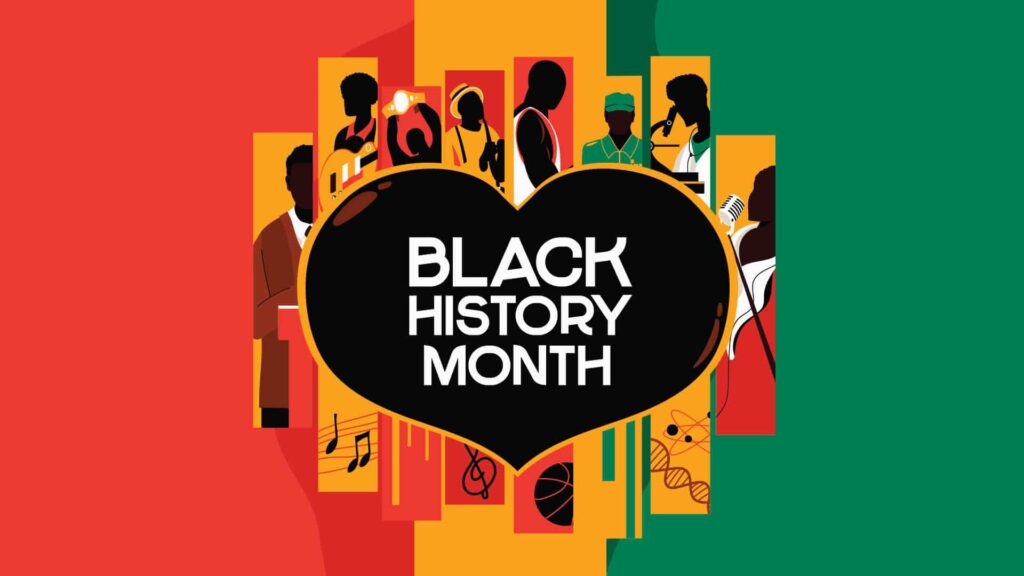
Origins and Deep Cultural Significance for the Community
Black History Month (BHM) is an annual observance held every February in the United States. Its core purpose is to honor the history, culture, and profound contributions of African Americans to the nation’s overall development.
Throughout February, a wide range of commemorative, educational, and media activities are organized by schools, businesses, and social organizations to express recognition and respect for people of color. From a business perspective, this period is more than a traditional holiday—it represents a consumption cycle driven by strong emotional and social values. Consumers actively seek products that express support, solidarity, and alignment with the community during this time.
The Origins of Black History Month
This observance has a history spanning nearly a century. Black History Month traces its origins back to 1926, when it was initiated by historian Carter G. Woodson under its original name, “Negro History Week.” His goal was to bring the history of African Americans—often overlooked or marginalized—into mainstream education.
After decades of advocacy and growing recognition, the observance was officially expanded into Black History Month in 1976 and formally recognized nationwide by the U.S. government. Since then, February has become an integral part of American cultural and social life.
Core Significance and Broader Impact
Black History Month is not only about reflecting on the past, but also about honoring present values and looking toward the future. These core values include:
- Identity: Celebrating the origins, rich history, and distinctive cultural identity of the Black community.
- Pride: Recognizing outstanding achievements across science, the arts, politics, sports, and culture.
- Equality & Justice: Recalling the enduring struggle for human rights and social justice.
- Empowerment: Inspiring current and future generations to grow, lead, and thrive.
Why Is Black History Month Especially Important in the U.S. Market?
For businesses—and particularly for the POD seller community—the U.S. market in February is consistently a high-potential commercial period. Black History Month (BHM) is not only a historical observance but also a foundational pillar of American consumer culture, driven by unique characteristics that few other seasonal events possess.
Black History Month Is Embraced Across Society
Unlike many purely commercial holidays, Black History Month receives broad and meaningful engagement across all levels of society. During this period, community values take center stage:
- Education: Schools formally integrate Black history into their curricula and organize extracurricular activities.
- Businesses: Many companies host internal events and community initiatives to honor diversity and inclusion.
- Major brands: Leading brands consistently launch dedicated campaigns to demonstrate their support for the African American community.
- Consumers: Shoppers actively seek products and messages with symbolic meaning to express their personal values and stance.
This collective participation creates a “purpose-driven” consumption environment, where purchasing decisions are not driven by deep discounts, but by empathy, shared values, and a desire to support meaningful social causes.
American Consumers Are Willing to Spend on Meaningful Products
During this period, U.S. consumer purchasing behavior clearly shifts from a focus on price to meaning, creating significant advantages for sellers:
- Messaging comes first: Customers are willing to pass on cheaper options in favor of products that carry deeper, more meaningful messages.
- Design storytelling: Buyers place strong emphasis on the meaning and story behind every image, phrase, or design element on a product.
- Higher average order value (AOV): Consumers are more willing to pay premium prices for products that demonstrate respect for and support of the community.
As a result, many POD sellers experience stable average order values (AOV) and face significantly less price competition compared to other conventional shopping seasons.
Long-Term Stability Beyond Short-Lived Trends
One of the key reasons Black History Month serves as a strong “anchor” for POD sellers is its long-term sustainability. This observance possesses characteristics that short-lived viral trends simply cannot offer:
- Predictable seasonality: Taking place every February, it allows sellers to plan production and marketing strategies well in advance.
- Consistent messaging: Core values such as identity, pride, and equality remain relevant and meaningful year after year.
- Evergreen catalogs: Black History Month designs rarely become outdated, enabling sellers to build long-lasting product collections rather than constantly chasing short-term trends with higher risk.
In summary, Black History Month represents a golden opportunity for businesses not only to drive revenue growth but also to strengthen brand credibility among U.S. consumers through thoughtful, meaningful products.
Why POD Sellers Should Not Miss Black History Month

While most sellers focus their full attention on Valentine’s Day in February, strategically minded POD sellers recognize another golden opportunity: Black History Month (BHM). This period offers an ideal moment to drive revenue growth, thanks to its unique market characteristics.
High Demand with Lower Competition Compared to Valentine’s Day
February is commonly perceived as “Valentine’s Month,” causing most budgets and resources to be heavily concentrated on romantic gift products. This dynamic unintentionally creates a highly valuable market gap:
- The Black History Month segment is often overlooked by many sellers.
- Only a limited number of merchants invest seriously in this theme.
- Competition is significantly lower than in Couple-focused products, making advertising and customer acquisition far more efficient.
The Print on Demand Model: A Perfect Match for Black History Month
Black History Month brings together all the ideal conditions for implementing the Print on Demand (POD) model at its most effective:
- Diverse creative concepts: Sellers can freely explore quotes, typography-based designs, and culturally significant symbols.
- Efficient testing: Multiple design variations can be tested easily for each message without high upfront costs.
- Low risk: With no inventory requirements, sellers can retain top-performing designs and scale them in future years.
Building Strong Brand Credibility and Trust
Participating in Black History Month with genuine intent helps sellers position themselves as socially responsible brands. This approach enables sellers to:
- Build stronger trust and deeper connections with U.S. consumers.
- Move beyond the perception of “selling purely for profit” and foster goodwill as a brand that stands alongside community values.
Opportunities for Sellers at Every Stage
Whether you are a beginner or an experienced seller, Black History Month offers a clear growth pathway:
- New sellers: Can start with a small number of designs to test organic reach or run low-budget ads.
- Scaling sellers: Can easily expand collections, implement upsell strategies, and increase average order value (AOV).
Black History Month does not require a large upfront investment, yet it provides strong scalability once positive market signals emerge.
Top-Performing POD Product Categories During Black History Month
In a Black History Month campaign, selecting the right product categories not only helps sellers meet market demand but also enhances the reach and impact of meaningful messages. Below are the POD product groups that consistently rank among the top performers in terms of sales during this period.
Apparel – A Core Product Category That Cannot Be Overlooked
Apparel items such as T-shirts, hoodies, and sweatshirts consistently rank as top choices among consumers. This product category maintains a leading position due to several key advantages:
- Strong message delivery: With large print areas, apparel provides the perfect canvas for typography designs, portraits of influential figures, and inspirational quotes.
- High practicality: These products are suitable for everyday wear as well as community events and large-scale marches.
- Flexible pricing: Spanning from budget-friendly to premium price points, apparel easily appeals to a wide range of customers.
Accessories – Affordable and Easy-to-Access Products
If you aim to increase average order value (AOV), accessories such as tote bags, caps, and keychains are smart additions. These items are commonly chosen by customers for the following reasons:
- Bundling with apparel: Creating cohesive product sets with matching designs.
- Reaching new customers: Appealing to buyers who want to express community support while maintaining a moderate spending budget.
Home Decor – Long-Lasting Display and Commemorative Value
Home décor products such as posters, canvas prints, and flags offer long-term usability and strong symbolic value. They are commonly purchased for the following purposes:
- Home decoration: Allowing customers to express pride and identity within their living spaces.
- Educational and workplace use: Frequently used to decorate classrooms, offices, or community event spaces throughout February.
Gift Items & Stationery – Meaningful Tokens of Appreciation
Items such as mugs, notebooks, and stickers make thoughtful gifts with strong emotional value. They are especially popular in educational and office environments, where people exchange small yet meaningful items that convey recognition and deep respect.
Diversifying product categories—from Apparel to Home Decor—allows POD sellers to fully capitalize on business opportunities while offering customers a wide range of options to show their support for the Black community during this historically significant month.
Black History Month is not only a cultural observance with deep social meaning, but also a sustainable sales season that POD sellers can effectively leverage with proper preparation. With steady consumer demand, long-lasting messaging, and the flexibility of the Print on Demand model, Black History Month enables sellers to diversify revenue streams, reduce reliance on Valentine’s Day or Q4, and build a positive brand image in the U.S. market.
For POD sellers focused on long-term growth, proactively planning designs, selecting the right product categories, and optimizing fulfillment strategies for Black History Month well in advance is a crucial step to seizing the opportunity and establishing a sustainable competitive advantage.