


As we move into 2026, fulfillment is no longer just about printing and shipping it has become a decisive factor in the competitiveness and scalability of Print on Demand sellers. The ecommerce market is increasingly demanding in terms of speed, customer experience, and operational reliability, pushing sellers to shift toward more localized, faster, and more flexible fulfillment models. This article will give you a clear overview of fulfillment trends in 2026, explain why localization, speed, and flexibility are becoming the new standard, and suggest practical strategies to help POD sellers prepare an operations system suited for the next phase of growth.
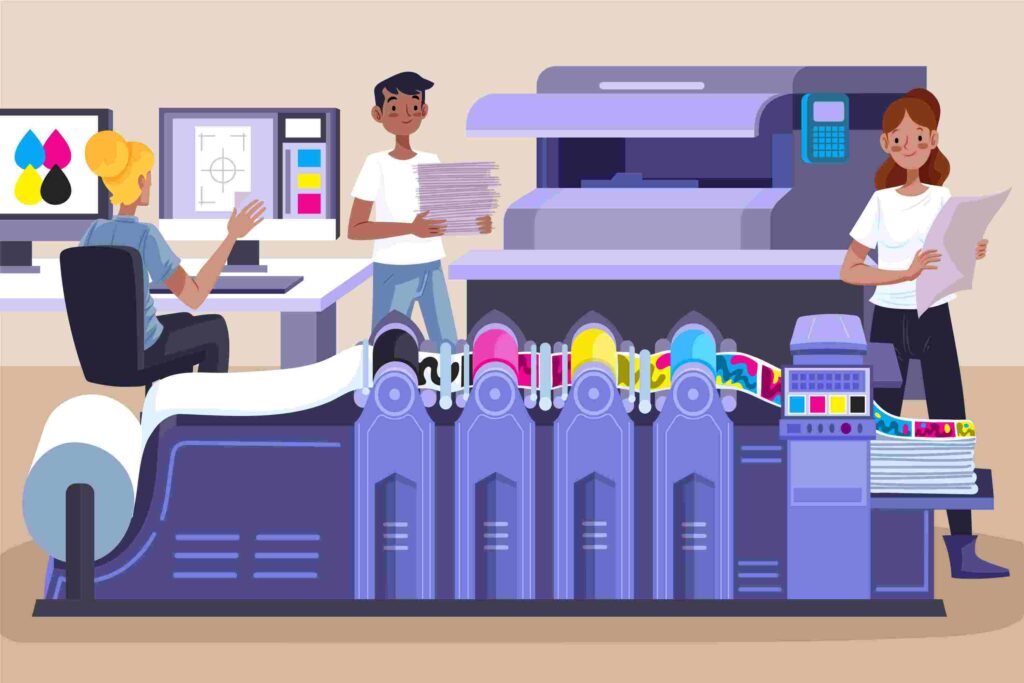
The Ecommerce & POD Landscape Ahead of 2026
Over the past five years, global ecommerce has gone through a period of rapid growth, but also significant turbulence. After the post-COVID boom, the market entered a phase of consolidation: advertising costs increased, competition became more intense, and buyers grew more demanding, with higher expectations for the overall shopping experience.
For the Print on Demand (POD) model, these changes have been even more pronounced. In the past, sellers could focus almost entirely on design and marketing. However, by 2024–2025, operations and fulfillment had become decisive factors for survival and scalability.
U.S. buyers no longer tolerate long waiting times, slow order processing, or inconsistent product quality. They have become accustomed to an “Amazon-like experience”: fast delivery, order tracking, clear return policies, and transparent after-sales support. This has placed enormous pressure on POD sellers’ fulfillment systems, especially those still relying on slow cross-border production and shipping models.
As we move into 2026, it is clear that POD is no longer simply a “design-driven game.” It has become a game of systems from supply chains and production capacity to warehouse networks and the ability to process orders flexibly across different markets. Fulfillment is no longer a backstage function; it has become a strategic pillar that directly impacts revenue, profitability, and brand reputation.
In this context, three major trends are reshaping the entire fulfillment landscape for POD: localization, speed, and flexibility.
The Trend of Fulfillment Localization: From an Option to a Requirement in 2026
In the global ecommerce landscape, especially within the POD industry, the concept of fulfillment localization is no longer an optional add-on. As we move into 2026, it has officially become a “passport” and a mandatory standard for any seller who wants to survive and compete in demanding markets such as the United States.
The Shift from Cross-Border Models to Domestic Shipping
In the past, a common strategy among sellers was to leverage low-cost manufacturing in Asia and ship cross-border to maximize profit margins. However, the era when customers were willing to patiently wait 10–20 days has come to an end. With the strong rise of fast-shipping giants, consumer standards have been raised higher than ever before.
Maintaining long shipping times not only significantly reduces conversion rates (CR) but also triggers a negative “domino effect”: higher return and refund rates, more one-star reviews, and, most critically, penalties from platforms such as Amazon, TikTok Shop, or Etsy for failing to meet SLA (Service Level Agreement) metrics.
Why Is Fulfillment Localization a Make-or-Break Factor?
Fulfillment localization essentially means producing or storing products directly in the target market. For the POD model, this means connecting with print facilities and order fulfillment centers located within the U.S. or the EU. This model delivers three core values:
- Lightning-fast delivery: When geographical distance is shortened, delivery times can be reduced from several weeks to just 2–5 business days. Speed is the ultimate “weapon” for improving customer experience and driving repeat purchases.
- Operational risk management: Sellers no longer have to struggle with fluctuations in air freight costs, port congestion, or increasingly strict customs policies. Domestic shipping systems are generally more stable and offer greater transparency in tracking and delivery routes.
- Brand trust assurance: Consumer psychology (especially in the U.S.) strongly favors products labeled “Ships from US.” This creates a sense of confidence in both product quality and after-sales service, particularly for gift items during major holidays such as Christmas or Mother’s Day.
The Speed Trend: From a Competitive Advantage to a Mandatory Standard in 2026
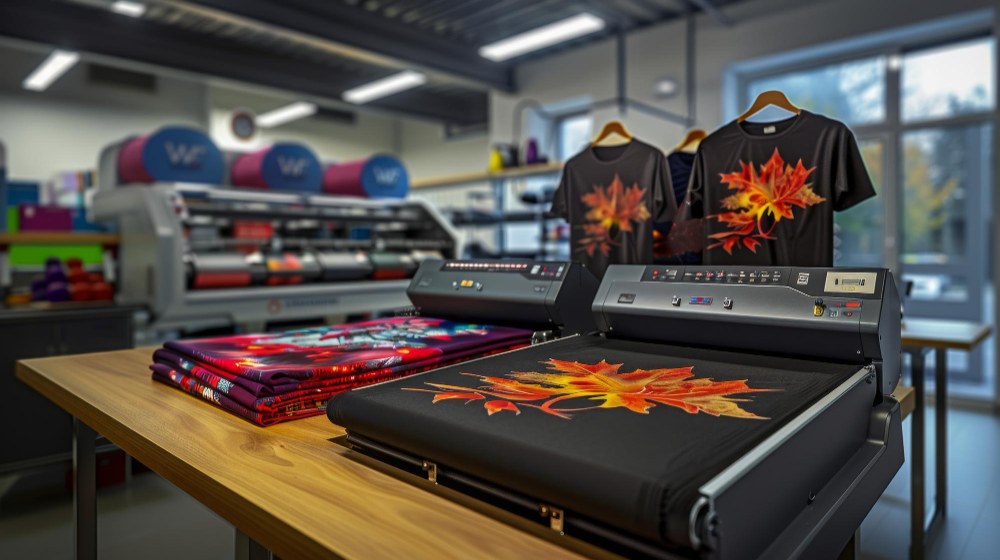
If localization serves as a solid foundation for businesses, then speed is the sharpest weapon for capturing market share. In the modern ecommerce era, “fast” is no longer seen as a bonus for customers to consider it has become the minimum standard for a POD store to survive in the market.
When Buyer Expectations Go Beyond Traditional Limits
The global ecommerce ecosystem has reshaped consumer shopping habits. With the widespread availability of same-day or 1–2 day delivery services, today’s buyers are extremely sensitive to waiting times. For POD products, even though customers understand that these items are made to order, they still implicitly expect an optimized processing and delivery workflow. A product that takes 10–14 days to reach the customer will be immediately labeled as “slow,” no matter how excellent the print quality or design may be.
Speed: A Key Indicator of Fulfillment System Health
In the POD model, speed is not simply about shipping time. It is the combined result of a smooth, end-to-end operational workflow:
- Order Processing: Automating the synchronization of orders from sales channels into the system.
- Production and Printing: Optimizing printing techniques to shorten lead times.
- Quality Control (QC) and Packaging: Standardized processes to prevent errors that cause delays.
- Handover to Shipping: Direct integration with domestic carriers as soon as the product is completed.
The Consequences of Delays and the Advantage of Market Leaders
By 2026, sellers with outdated fulfillment systems will face three critical risks.
First, conversion rates (CR) will decline because customers always compare delivery times directly on product pages.
Second, customer acquisition costs (CAC) will skyrocket, as you will have to spend more to persuade customers to accept an inferior experience.
Third, high dispute and refund rates will effectively “shut down” your seller accounts on strict platforms such as Amazon, Etsy, or TikTok Shop.
In contrast, optimizing fulfillment speed delivers an invaluable intangible asset: brand credibility. In customers’ minds, your brand will become synonymous with “reliable and lightning-fast.” This is the golden key to building a loyal customer base, reducing dependence on advertising, and creating momentum for sustainable scaling.
As we move into 2026, speed is no longer just a number on a shipping label it is the strongest commitment to service quality for every professional POD seller.
The Flexibility Trend: The Key to Survival and Scalable Growth in 2026
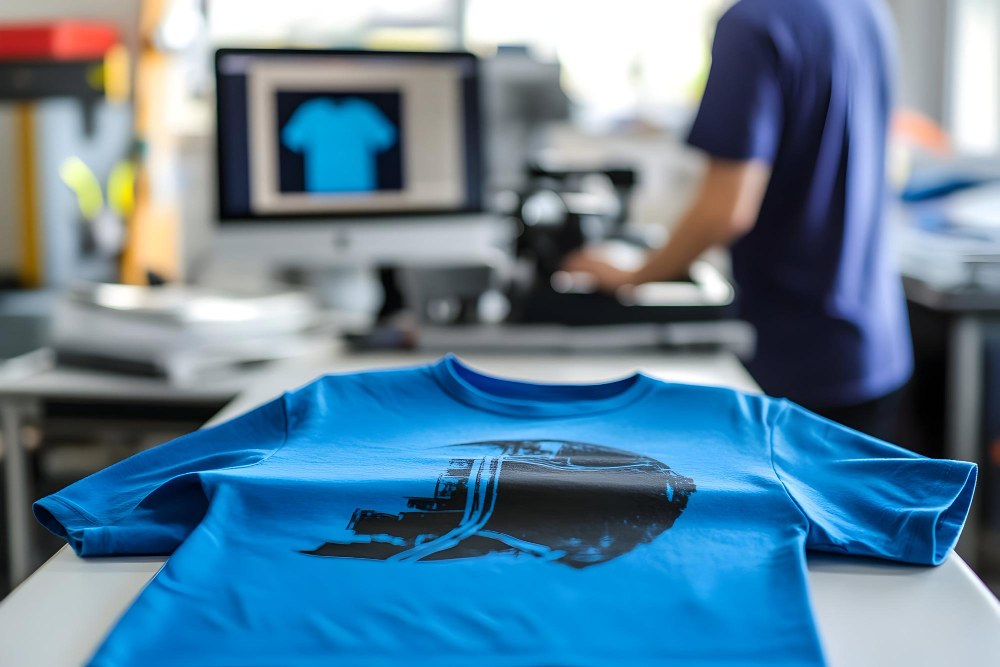
In the fierce race of the ecommerce industry, if speed is considered the gold standard, then flexibility is the “filter” that determines which POD sellers can survive and grow sustainably. As we move into 2026, the ability to adapt quickly to market changes is no longer a choice it is a core survival capability for every Print on Demand business.
Flexibility in Product Assortment and Production Capacity
The first dimension of flexibility lies in the ability to diversify the product portfolio. A successful POD seller never “puts all their eggs in one basket.” Customer preferences change day by day, requiring you to be able to quickly test new product lines from apparel (T-shirts, hoodies) to home décor (posters, candles, rugs) and personalized accessories. If your fulfillment system is limited by the production capacity of a single facility, you will miss opportunities when new trends emerge. The ability to connect with multiple production partners across multiple product categories is a prerequisite for staying ahead.
The Ability to Pivot and Scale During Peak Seasons
A defining characteristic of the POD industry is seasonality. Order surges during periods such as Black Friday, Cyber Monday, or the Christmas season often come with the risk of system overload. A rigid fulfillment system can easily “break down,” leading to delayed orders and printing errors. In contrast, a flexible fulfillment partner in 2026 must be able to instantly scale up production capacity to meet sudden spikes in demand—and scale it back down after peak seasons to optimize costs. Stability amid volatility is the true measure of a world-class operations system.
The Ability to Pivot and Scale During Peak Seasons
A defining characteristic of the POD industry is seasonality. Order surges during periods such as Black Friday, Cyber Monday, or the Christmas season often come with the risk of system overload. A rigid fulfillment system can easily “break down,” leading to delayed orders and printing errors. In contrast, a flexible fulfillment partner in 2026 must be able to instantly scale up production capacity to meet sudden spikes in demand—and scale it back down after peak seasons to optimize costs. Stability amid volatility is the true measure of a world-class operations system.
Optimizing Multi-Channel Operations
Modern POD sellers are no longer limited to Shopify or Etsy they are expanding to platforms such as TikTok Shop, Amazon, and Walmart. Each platform has its own strict standards for tracking codes, processing times, and return policies. Flexibility in technology integration allows you to centrally manage all order sources on a single platform, ensuring compliance with each marketplace’s SLA without increasing staffing burdens or operational costs.
Adapting for Sustainable Scaling
Ultimately, flexibility also lies in strategic thinking. When a market becomes saturated or advertising costs rise, sellers need to quickly pivot toward niche markets or new geographic regions. If the fulfillment system is not flexible enough to support these changes, any plans for scaling will become expensive and slow.
Fulfillment 2026: The Shift from “Just a Printing Provider” to a “Strategic Operations Partner”
In the early days of the Print on Demand (POD) industry, many sellers had a rather narrow view of fulfillment. Most saw it merely as an intermediary step receiving design files, printing them on products, and shipping the orders out. The relationship was purely transactional, where price was often the only factor taken into consideration.
However, as we move into 2026, this mindset has become outdated. In a market where competition is no longer about “who has better designs” but about “who operates more sustainably,” fulfillment has officially become a strategic operations partner. It is a key factor that directly determines the competitiveness and the speed of scaling for every POD business.
The New Role of Modern Fulfillment Systems
A true fulfillment partner in the 2026 era goes far beyond just printing and shipping. They act as a “production advisor,” delivering in-depth solutions such as:
- Product strategy consulting: Providing recommendations on materials, styles, and printing technologies optimized for each target market (the U.S., EU, Australia) to minimize return risks.
- Real-time control technology: Offering transparent order management systems that allow sellers to track production progress and shipping status in real time.
- Professional issue resolution: Having standardized reverse logistics processes to handle printing errors, lost shipments, or returns helping protect sellers’ reputations on ecommerce platforms.
Partnering for Long-Term Growth
The greatest distinction of a strategic partner lies in their ability to grow alongside you. When sellers plan to expand into new niche markets, a fulfillment partner must already have the warehouse infrastructure or a global network in place to execute immediately. During peak holiday campaigns, when order volumes can increase by 10 to 20 times, a capable partner will ensure service quality does not decline allowing sellers to focus confidently on marketing and sales.
Turning Fulfillment into a Competitive Advantage
In the modern POD business model, fulfillment costs should not be viewed merely as an expense, but as an investment in competitive advantage. Sellers who establish strong, long-term relationships with reputable and professional fulfillment providers early on will gain a solid “launchpad” for growth.
What Should Sellers Prepare to Keep Up with Fulfillment Trends in 2026?
The ecommerce world is evolving at a breathtaking pace. To avoid being left behind in the Print on Demand (POD) race in 2026, sellers need a decisive preparation roadmap starting today. Instead of passively waiting for market changes, proactively upgrading your operations system will be the key to securing a leading position.
Monitor and Evaluate Real Operational Data
The first step is to conduct a comprehensive “health check” of your current fulfillment system. You need accurate numbers on average production time, actual delivery time to customers, and product defect/return rates. These data points are not just financial reports they are indicators of customer satisfaction and your store’s future competitiveness.
Prioritize a Localization Strategy for Key Markets
Localization is no longer a trend it is a prerequisite. Start by shifting a portion of your orders in key markets such as the U.S. or the EU to domestic print facilities. Directly comparing performance in terms of cost, speed, and customer experience will give you an objective view and allow you to gradually expand this model, helping to optimize your quality metrics on ecommerce platforms.
Optimize Processes with Technology and Automation
Speed is money. Sellers need to standardize workflows from design to print-ready files and fully automate order synchronization with fulfillment partners. Cutting even a few hours from the order processing cycle can create a massive competitive advantage, allowing your orders to “move” faster than your competitors’.
Build a Flexible Mindset and Strategic Partnerships
Stop viewing fulfillment as a separate technical function. The year 2026 demands a flexible business mindset: being ready to test new products, expand sales channels, and enter niche markets quickly. To achieve this, you need a fulfillment partner with both vision and capability one who does not just “print and ship,” but is also willing to grow alongside you in every long-term growth scenario.
Fulfillment in 2026 will no longer be just about printing or shipping—it will be a game of comprehensive operations systems. As localization becomes the standard, speed becomes a mandatory requirement, and flexibility becomes a survival factor, Print on Demand sellers are forced to shift their mindset from “being able to sell” to “being able to build systems.” Investing correctly in fulfillment not only improves the buyer experience and reduces operational risks, but also creates a solid foundation for scaling revenue sustainably. If sellers want to compete effectively in the coming phase, they need to start viewing fulfillment as a strategic advantage today choosing the right partners and proactively optimizing processes to be ready for the next growth wave of the POD market.