

After Q4 comes to a close, the U.S. Print-on-Demand market does not slow down. Instead, it enters a new growth cycle driven by rising demand for personalization, emotional gifting, and early-year niche opportunities. Valentine’s Day, Easter, and Mother’s Day emerge as three key growth drivers shaping buyer behavior, making the period from January to May a golden window for sellers looking to discover new niches and maintain stable revenue after the holiday season. This article will help you gain deeper insights into consumer trends, market signals, and the most promising niche segments expected to shape 2026 empowering POD sellers to seize opportunities early and build a long-term sales strategy from the very beginning of the year.
Overview of the POD Market After Q4
Q4 has always been considered the biggest “hot zone” of the year for the U.S. Print on Demand (POD) market. This period accounts for a large share of sellers’ annual revenue, driven by strong shopping demand from Halloween, Black Friday, and Cyber Monday through Christmas. However, once Q4 comes to an end, the market does not “cool down” as many sellers assume. On the contrary, this is when the market begins entering a new shopping cycle, where early-year niches rise and play a critical role in shaping growth strategies for 2026.
The shift in demand after Q4 is driven by multiple factors, including American consumers’ self-reward behavior, increased gifting needs for Valentine’s Day, preparation for family-related occasions, and most notably the accelerating trend toward personalization. Looking ahead to 2026, niches centered around relationships, family, pets, home décor, and emotionally meaningful products are expected to experience strong growth.
For POD sellers, understanding post-Q4 demand dynamics is not only key to maintaining early-year sales but also to building a long-term competitive advantage. In practice, those who identify and enter emerging niches first are often the ones who capture the greatest rewards.
The POD Demand Cycle: From Q4 to Valentine’s Day and Early-Year Occasions
After Q4, the U.S. POD market enters a critical transition phase. Rather than slowing down, buyer demand shifts toward different gift categories for early-year occasions, with a strong focus on:
Valentine’s Day – The First Revenue Peak of 2026
As soon as Christmas decorations come down, Valentine’s Day quickly takes center stage. According to data from Google Trends and Etsy, starting from the first week of January, search volumes for keywords such as “personalized gifts for him/her,” “couple anniversary gifts,” and “custom love plaque” begin to rise sharply. Valentine’s Day acts as the “starting signal” that reactivates consumer shopping behavior at the beginning of the year.
The product categories driving revenue during this period (winning products) include:
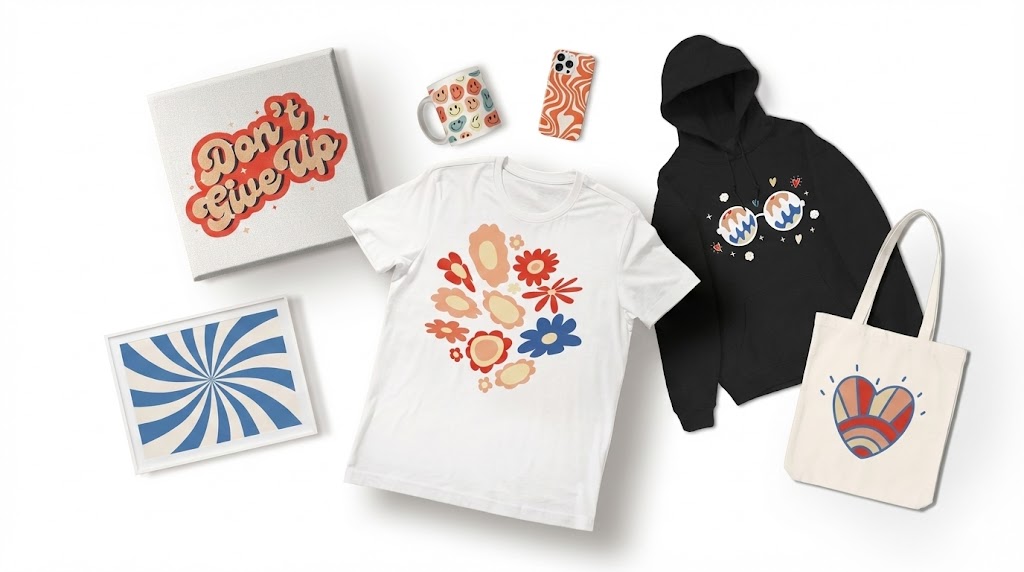
- Apparel: Couple shirts and hoodies/sweatshirts featuring minimalist or retro-inspired designs.
- Home Décor & Sentimental Gifts: This is when products such as acrylic plaques, photo ornaments (for home or car décor), and love-themed suncatchers gain strong traction.
- Bedding: Personalized blankets featuring couples or family imagery are high-ticket items that perform exceptionally well during the colder weather in February.
Success during Valentine’s Day not only generates immediate revenue but also allows sellers to test designs and niches in preparation for upcoming major sales events later in the year.
The “Self-Gifting” Phase and Home Refresh Trend
After the holiday season, American consumers shift their focus back to themselves. A significant amount of cash and gift cards received during Christmas is typically spent in January and February. During this period, shopping behavior transitions toward the following trends:
- Home Refresh: Replacing Christmas décor with evergreen, year-round products such as suncatchers, canvas prints, and artistic posters.
- Self-Love: Purchasing items that promote self-encouragement, emotional healing, or the celebration of personal milestones. This creates strong opportunities for sellers to expand into hobby-based niches, pet-related products, and mental health focused themes.
The Domino Effect: Valentine’s Day → Easter → Mother’s Day
From February to May represents the second “golden period” of the year, characterized by a continuous rotation of niches:
- After Valentine’s Day comes Easter: Demand shifts toward family-oriented, children’s, and religious niches, with bright pastel color palettes taking center stage.
- Mother’s Day peak (May): This is the second-largest shopping event of the year, second only to Q4. Emotional products that perform well during Valentine’s Day can be easily scaled and optimized for Mother’s Day campaigns.
- Graduation Season: A niche focused on schools, professions, and family pride, offering strong opportunities for personalized and commemorative products.
U.S. Consumer Behavior Trends in 2026 Shaping Niche Formation
As the market enters 2026, the U.S. Print-on-Demand landscape is being influenced by significant shifts in consumer behavior. Below are the key factors driving niche development:
Personalization: From an “Option” to a Mandatory Standard
In the past, personalization was considered an added feature. By 2026, however, it has become the default standard. U.S. consumers are increasingly indifferent to mass-produced designs and instead crave uniqueness and individuality. This behavioral shift is generating strong demand for high-detail, high-precision niche segments, including:
- Family & Baby: Products featuring birth statistics, family records, or milestone details.
- Pet Personalization: Beyond generic dog or cat illustrations, customers now expect designs that accurately reflect their own pets’ real photos.
- Deep Customization: Customizable skin tones, hairstyles, and body types that allow the characters in the design to closely resemble real-life individuals.
For sellers, this means one thing: the more deeply customers can interact with and personalize a product’s design, the higher the conversion rate (CR) that product is likely to achieve.
The Rise of the “New Neutrals” Aesthetic & Pantone Cloud Dancer
In 2026, Pantone has named Cloud Dancer, a soft creamy white, as the color of the year. This choice reflects a broader shift in consumer psychology toward simplicity, healing, and understated luxury often referred to as quiet luxury. This aesthetic transition has a strong impact on both niche selection and design strategy:
- Home Décor: Consumers increasingly favor décor products such as canvas prints and acrylic plaques in neutral tones that blend seamlessly with modern interiors, rather than overly vibrant or flashy colors.
- Design Style: Line art and minimalist typography are expected to dominate. Sentimental and memory-driven niches are likely to outperform bold, aggressive designs during the Q1–Q2 period.
Gen Z and Millennials: The Generations Driving the Gifting Market
These two demographic groups currently hold the primary purchasing power across social commerce platforms such as TikTok Shop, Instagram, and Etsy. Their consumer behavior is characterized by the following key traits:
- Emotion-Driven Decisions: They are highly susceptible to impulse purchases when a product resonates emotionally or aligns with trending social narratives.
- Viral-Friendly Products: They favor small, visually appealing items that are easy to showcase on social media, such as suncatchers, keychains, and acrylic plaques.
- Expanded Gifting Circles: They purchase gifts not only for romantic partners but also for friends (Galentine’s), coworkers, and pets creating fertile ground for the rapid growth of micro-niches.
The Rise of the “Memory Gifting” Trend
In an increasingly fast-paced digital world, American consumers place greater value on tangible, physical products that help preserve meaningful moments. This demand is turning the following product categories into evergreen niches that perform consistently throughout the year:
- Baby Birth & Milestones: Products that capture newborn moments and early-life milestones.
- Memorial Gifts: Items created to honor and remember loved ones or pets who have passed away (often associated with the “Rainbow Bridge” theme).
- Family Moments: Photo-based products that commemorate family gatherings and shared memories.
Key Niche Segments Expected to Lead the POD Market in 2026
Based on consumer behavior patterns, trend data, and the early-year event cycle, the following niches are expected to play a leading role in shaping the POD market in 2026:
Group 1: “Extended Valentine” – Beyond Romantic Couples
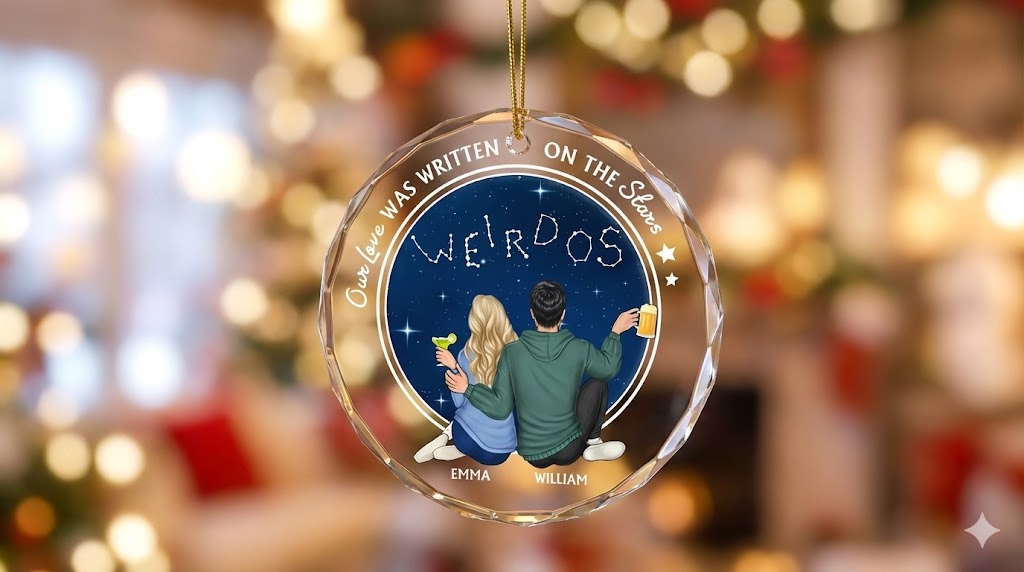
Valentine’s Day 2026 (February 14) falls on a Saturday, creating strong purchasing momentum. However, sellers should not limit their focus to romantic couples alone. Instead, consider expanding into the following sub-niches:
- Galentine’s Day (February 13): A niche celebrating female friendships.
- Key Products: Group shirts, wine glasses, tote bags.
- Messaging: “Ovaries before Brovaries,” “Girls Trip 2026.”
- Anti-Valentine: A playful niche for happy singles.
- Messaging: “Ew, People,” “My Cat Is My Valentine.”
- Adult Humor: Bold, humorous, and slightly edgy designs (often referred to as Naughty Valentine) targeting long-term couples and married audiences. Personalized underwear and scented candles with humorous labels are currently trending strongly in this segment.
Group 2: U.S. Politics – The Midterm Election Year
The United States will hold its midterm elections in 2026. Political momentum is expected to build early in the year, driven by primary election campaigns and increasing public debate.
- Key Characteristic: This is a high-passion niche. Buyers are highly motivated to express their political views and personal stances.
- Strategic Directions:
- Support or opposition toward political ideologies and factions (left wing vs. right wing).
- Hot-button social issues such as women’s rights, environmental protection, and gun control.
- Important Note: Sellers must carefully review trademark regulations and advertising policies. However, for organic sales on platforms like Etsy and Amazon, this niche can represent a highly lucrative opportunity when executed correctly.
Group 3: Hobbies & New Year’s Resolutions
January and February are when many people begin new hobbies and commit to fresh personal goals.
- Pickleball: As the fastest-growing sport in the United States, pickleball shows no signs of slowing down. Demand remains strong for personalized training apparel, baseball caps, and custom paddle bags.
- BookTok (The Book-Loving Community): TikTok has transformed reading into a lifestyle. Products related to “smutty books” and “romantasy” (romance + fantasy) genres are performing exceptionally well.
- Products: Oversized T-shirts, book tote bags, bookmarks, and insulated tumblers.
- Gardening & Plant Mom: With spring approaching in March, plant lovers begin shopping for gardening tools and decorative items as early as February.
Group 4: Professions – An Evergreen Goldmine
Professional niches are consistently stable and easy to target. In early 2026, sellers should focus on industries with key events occurring during the spring season:
- Nurses & Healthcare: Nurses Week takes place in May, but hospitals and individuals often begin ordering team shirts and gifts as early as February and March.
- Teachers: Preparation for the “100 Days of School” celebration (typically held in January or February, depending on the state) creates strong demand. Elementary school teachers frequently purchase themed shirts to celebrate students’ 100th day of learning.
- Tax Accountants: U.S. tax season runs from January through April. Accountants face high workloads during this period and often enjoy humorous, profession-themed gifts as stress relievers (e.g., mugs printed with “Be nice to me, I do your taxes”).
Group 5: Black History Month (February)
February is recognized as Black History Month in the United States.
- Niche: The African American community.
- Design Direction: Designs that celebrate culture, feature quotes from influential Black leaders, embrace Afro-centric aesthetics, and themes such as “Melanin Poppin.”
- Important Note: This niche requires a high level of cultural respect and deep understanding. Sellers should approach it with care and cultural sensitivity.
Market Signals Sellers Should Watch to “Spot” Emerging Niches
How can you identify which niches are about to rise in 2026? Don’t guess follow the data.
TikTok Creative Center & Hashtag Challenges
Monitor the “Trends” section in TikTok Creative Center. If you notice an emerging hashtag (e.g., #CoquetteAesthetic, #MobWifeAesthetic) starting to gain rapid view growth, immediately research its visual style and apply those aesthetics to apparel or drinkware designs.
Pinterest Predicts 2026
Pinterest releases its annual trend forecast report toward the end of each year. This report is often considered a “design bible” for creatives. If Pinterest predicts that a trend such as “Jellyfish Décor” will take off, trust the signal and immediately start developing ocean- or jellyfish-inspired designs.
Movies and Pop Culture
Which blockbuster movies or Netflix series will be released in 2026? (e.g., Marvel films, Disney productions, or game-adapted series.) While sellers cannot create products that directly infringe on trademarks, they can still develop “inspired-by” designs or quotes that align with the broader themes and aesthetics of those releases.
Tracking Competitors via the Ad Library
Go to the Facebook Ad Library, enter broad keywords such as “T-shirt” or “Gift for her,” and filter results by date (e.g., the last 7 days). Identify creatives that are actively running ads and have multiple variations these are strong indicators of current market demand.
As the market enters 2026, the U.S. Print-on-Demand industry continues to be driven by personalization, emotional value, and shifting early-year gifting occasions. From Valentine’s Day and Easter to Mother’s Day, consumers are no longer searching solely for visually appealing products they are looking for designs that express affection, preserve memories, and reflect personal identity. For this reason, niches centered around couples, family, pets, home décor, and name personalization are expected to play a dominant role throughout the early 2026 cycle.
For POD sellers, closely monitoring market signals, keeping pace with evolving aesthetic trends, and selecting the right products at the right time will create a clear competitive advantage. While Q4 may come to an end, opportunities never truly stop. The year 2026 opens a new and promising journey for sellers who prepare early, optimize their product portfolios, and position themselves ahead of the market before demand fully takes off.