

After Q4 comes to an end, many POD sellers experience declining revenue, reduced advertising efficiency, and uncertainty about which products to continue selling in order to maintain cash flow. However, in reality, the POD market does not “cool down” after Q4 it enters a new demand cycle in which buyers place greater emphasis on products that serve personal needs, lifestyle preferences, and long-term emotional value.
Choosing the right product categories and niches after Q4 allows sellers to stabilize revenue, optimize operational costs, and build a sustainable growth foundation for upcoming sales seasons. This article will analyze the post-Q4 POD market and suggest key product groups that sellers should prioritize to maintain consistent and effective revenue.

What Is Really Happening in the POD Market After Q4?
The post-Q4 period is often described as a challenging “cool-down phase” for POD sellers. As the lights of the Christmas season fade, revenue charts across platforms such as Amazon, Etsy, and Shopify often begin to trend downward. So what is actually happening in the market during this time?
Why Does POD Revenue Often Drop Sharply After Q4?
The decline in revenue after December 31 is not random. It stems from rapid shifts in consumer behavior especially in the U.S. and European markets:
- Spending fatigue: After an intense shopping season from Black Friday through Christmas, consumer budgets are often depleted. Shoppers have just gone through heavy spending on gifts, luxury travel, and costly holiday celebrations.
- The disappearance of gift-buying motivation: Q4 is largely driven by the need to “buy for others.” Once major holidays pass, the pressure to give gifts fades, causing traditional gift-oriented products to experience a sharp slowdown in orders.
- Volatile advertising performance: While CPMs (cost per thousand impressions) may drop slightly, conversion rates (CR) often fall sharply as buyers lose their impulse-buying mindset.
Most sellers fail during this period because they continue using a holiday-season sales mindset trying to push seasonal, gift-driven products into a market context that has fundamentally changed.
A New Demand Cycle: Shifting from “Gifting” to “Personal Needs”
The POD market does not disappear after Q4 it simply transitions into a new operating logic. This period marks a shift from gifting to self-purchase behavior.
At this stage, buyers are no longer searching for sparkling items to place under the Christmas tree. Instead, they focus on:
- Personal identity: Products that express individuality, personal interests, or pride in one’s profession or community.
- Lifestyle and habits: Items that support New Year goals, such as gym apparel, insulated tumblers, or planning notebooks.
- Long-term utility: Rather than impulse-driven purchases, customers prioritize products with practical, everyday value.
While order volume may be lower than the December peak, post-Q4 buyers tend to shop with much clearer intent. This is the “golden window” for sellers to refine their customer base, focus on design quality, and build a stable, long-term revenue foundation for the year ahead.
The “Golden Rules” for Choosing Breakthrough POD Products After Q4

After the year-end shopping frenzy, the Print-on-Demand market enters a much more selective phase. To avoid falling into an “order drought,” sellers must completely shift their product-selection mindset. Instead of chasing short-term waves, apply the three core principles below to build a store with stable and sustainable revenue.
Prioritize Year-Round Selling Products (Evergreen Products)
Evergreen products are the backbone of every successful POD store. Unlike seasonal items that only spike for a few weeks, evergreen products are not tied to major holidays and do not require “perfect timing” to sell. They are the key to maintaining consistent cash flow even during the market’s slower months.
Key Characteristics of High-Potential Evergreen Products
- Year-round demand: Regardless of whether it’s summer or winter, usage demand remains consistent (e.g., ceramic mugs, basic T-shirts, doormats).
- Broad customer base: Products appeal to a wide range of buyers from office workers and pet lovers to various interest-based communities.
- Timeless relevance: Designs centered on themes like professional pride or family love remain valuable for years, helping sellers avoid the constant need to re-optimize listings.
Focusing on evergreen products reduces the pressure of managing a large, constantly changing design inventory and allows machine-learning-driven ad campaigns on platforms like Facebook and Google to optimize more effectively over time.
Prioritize Emotional Value and Personal Identity Over Trends
After Q4, Western consumers tend to tighten their budgets and become more selective in their purchasing decisions. They are no longer strongly influenced by messages such as “Countdown Sale” or “70% Off” if the product fails to genuinely connect on an emotional level.
Post-holiday buyers purchase products for the following reasons:
- Emotional resonance (identity): They see their own story, personality, or life values reflected in the product.
- Self-expression: Products that serve as statements of lifestyle or personal pride are far more compelling than purely decorative items with little meaning.
- Long-term emotional value: Personalized products featuring names or images of loved ones are deeply cherished, and customers are willing to pay a premium for them.
During this period, products built around hobby niches, professional niches, or family-based niches hold a clear competitive advantage over purely seasonal or trend-driven decorative products.
Choose Products That Are Easy to Operate and Optimize Your System
After an intense peak season filled with operational and customer support pressure, the beginning of the year is the ideal time for sellers to “clean up” and streamline their business operations. The key principle during this phase is to prioritize simplicity and stability.
Sellers should avoid product groups that involve:
- Too many variants: Excessive sizes, colors, or complex styles increase the risk of production errors and lead to higher return rates.
- Complex fulfillment requirements: Fragile products, long production times, or complicated packaging processes consume significant support resources.
- Heavy dependence on paid ads: Products that are only profitable with large ad budgets become extremely risky when CPMs fluctuate at the start of the year.
Instead, Focus On:
- Simple products: Products with clear structures that are easy to mock up and print, such as tumblers, posters, and hoodies.
- SEO-friendly listings: Choose products with stable search keywords to leverage organic traffic.
- A slow, controlled scaling strategy: This is the time to start with small tests, optimize conversion rates (CR) and profit margins before committing larger budgets for upcoming peak seasons like Valentine’s Day or Mother’s Day.
Top POD Product Groups That Help Maintain Stable Revenue After Q4
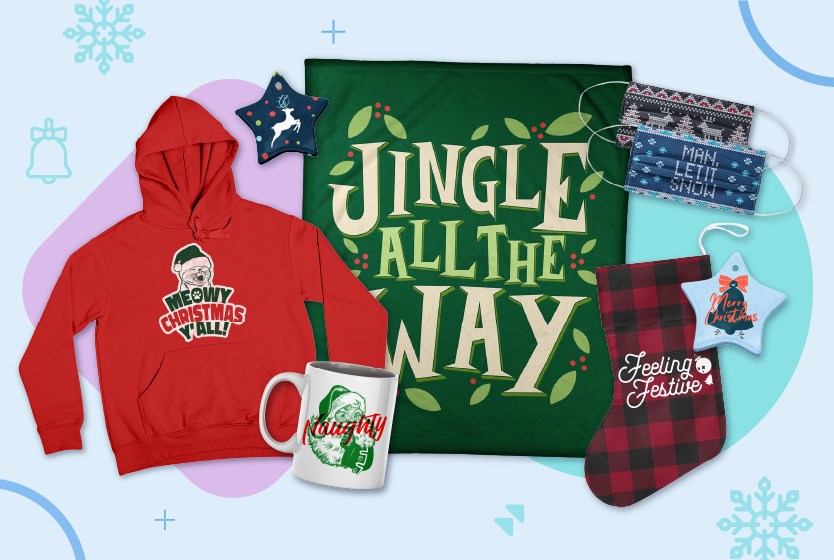
As January begins and gifting-driven campaigns cool down, POD sellers need to shift their focus toward product groups with strong self-sustaining demand. Below are four “golden” product categories that can help maintain revenue and retain customers during this period.
Core Apparel
Regardless of how trends evolve, apparel products such as T-shirts, hoodies, and sweatshirts remain the backbone of the Print-on-Demand industry. After Q4, apparel no longer serves as a gift under the Christmas tree it becomes a product customers purchase to meet their everyday wearing needs.
Why does apparel continue to sell well after Q4?
- Self-reward motivation: Customers tend to buy new clothing to start the new year with a fresh look.
- High personalization potential: Apparel easily incorporates messages related to professions, hobbies, or personal beliefs.
- Upsell opportunities: Customers who purchase a T-shirt are often inclined to buy a hoodie or sweatshirt from the same collection if the design is compelling.
To succeed with apparel in Q1, sellers should prioritize minimalist designs, affirmation-style quotes, or lifestyle-related messages. Neutral, easy-to-style color palettes are generally preferred over the bright, festive colors associated with the holiday season.
Light Personalization Products
After the peak season’s complex personalization trends during Christmas (such as face swaps, hairstyle selection, or skin tone customization), post-Q4 customers tend to prefer more subtle and refined options. This is where light personalization takes the spotlight.
Effective forms of light personalization include:
- Names or initials: Adding a customer’s name in a subtle corner of the product.
- Roles or titles: Designs tailored to identities such as “Dog Mom,” “Proud Nurse,” or “Best Dad 2025.”
- Milestone years: Highlighting important personal milestones or commemorative dates.
The key advantage of this category is a significantly higher conversion rate (CR) compared to mass-market products, while carrying much lower risk of errors than complex customization requests. These products are perfect as small self-reward purchases or meaningful birthday gifts for loved ones in the early months of the year.
Home & Decor
January marks a strong wave of home decluttering and living space refreshment. The “New Year, New Me” mindset encourages consumers to change their surroundings in search of positive energy.
Key décor products include:
- Posters & canvas prints: Focus on wall art designs featuring motivational messages, mindfulness quotes, or minimalist artistic styles.
- Positive messaging: Visuals that evoke calmness and relaxation help customers feel refreshed after a noisy holiday season.
This product group is particularly well-suited for niches related to meditation, yoga, working from home (home offices), or mental wellness trends that consistently surge at the beginning of the year.
Mid-Priced Accessories
After heavy spending during Q4, buyers tend to become more price-sensitive. Products in the low-to-mid price range (under $30) help lower psychological purchase barriers.
“Small but powerful” accessory categories include:
- Mugs & tumblers: Essential items for office workers returning to their daily routines.
- Keychains & phone grips: Small, affordable add-ons that are easy to upsell alongside apparel orders.
- Insulated tumblers: Particularly strong sellers within early-year health and fitness niches.
This accessory group not only helps maintain steady store traffic but also serves as an excellent way to test new niches with lower advertising costs before committing larger budgets to upcoming peak seasons such as Valentine’s Day or Mother’s Day.
POD Niches That Perform Well After Q4: Leveraging the Power of Communities
Choosing the right niche is a critical survival factor for POD sellers in the early months of the year. As Christmas and New Year–related themes become saturated, this is the time to return to core values focusing on consumer identity and lifestyle. Below are three niche groups that show the strongest momentum after Q4.
Identity & Lifestyle Niches
If Q4 is the season of giving, then the post-Q4 period becomes the season of self-affirmation. Customer mindset shifts from the question “What should I give?” to “Who am I?” They seek products that express their profession, personal interests, and sense of pride.
High-Potential Niches Within This Group Include:
- Professional pride: Professions with strong community identity such as nurses, teachers, truck drivers, or engineers consistently generate stable demand. A hoodie with a quote like “Proud Nurse” or a mug labeled “Teacher Life” are classic evergreen products that help sellers maintain reliable cash flow.
- Hobbies: January marks the return of active clubs and communities. Niches related to gym, golf, fishing, or gaming are especially easy to scale due to clearly defined audiences and high customer loyalty.
- Pet lovers: This is a truly “evergreen” niche. Pet owners never stop spending on products featuring their beloved companions regardless of the season.
The strength of identity-based niches lies in their high personalization potential, enabling sellers to boost conversion rates through deep emotional connection with buyers.
Self-Care & Motivation Niches
The beginning of the year (Q1) is closely associated with the “New Year’s Resolution” movement. After an energy-draining holiday season, customers tend to place greater emphasis on mental well-being and actively seek motivation to achieve new goals.
Design themes to focus on include:
- Mental health: Designs that convey positivity, empathy, and emotional support. This niche is experiencing rapid global growth.
- Self-love: Quotes that encourage confidence and self-appreciation.
- Positive mindset: Particularly effective for products such as canvas art, office posters, or everyday T-shirts.
When operating in this niche, prioritize minimalist designs, elegant typography, and calming color palettes to create a sense of peace and relaxation exactly what customers are looking for after a noisy holiday season.
Family & Relationship Niches
Although the pressure to buy gifts fades after the Christmas season, the need to express family love never disappears. The biggest shift in family-focused niches after Q4 is the transition from holiday-driven themes to everyday life.
Key characteristics of family niches during this period include:
- Long-lasting relationships: Designs emphasize enduring bonds between spouses, parents and children, or grandparents and grandchildren. Instead of Santa-themed imagery, focus on timeless symbols such as the Tree of Life, clasped hands, or personalized names.
- Pets as family members: The trend of treating pets as official members of the family continues to grow. Products like “Dog Dad” or “Cat Mom” sell consistently year-round because they fulfill both identity and relationship needs.
- Birthday and anniversary gifts: January and February still include many birthdays and wedding anniversaries. Milestone-based products remain top choices for buyers during this time.
What Should Sellers Avoid Selling Immediately After Q4 to Protect Profit Margins?
Knowing which products to sell is not enough a savvy POD seller must also recognize the “budget black holes” to avoid right after the holiday season. Choosing the wrong product categories during this sensitive period can quickly burn through the profits accumulated during Q4.
Products That Are Entirely Dependent on Holiday Seasons
One of the most common mistakes new sellers make is trying to “squeeze out” remaining orders from Christmas-only or holiday-specific designs. After December 25, visuals such as Christmas trees, Santa Claus, or New Year–specific quotes (e.g., “Happy New Year 2024”) lose almost all conversion value. If these listings are not updated to more neutral themes or transitioned to the next season (such as Valentine’s Day), they will only clutter the store and waste advertising budget.
Low-Margin Products That Require High Volume to Be Profitable
After Q4, the market enters a “cool-down” phase. Organic traffic drops significantly, and advertising costs (CPM) often fluctuate unpredictably. Products with thin profit margins that rely on extremely high sales volume to generate profit quickly become a burden.
In an environment where buyers are tightening their spending and are less likely to make large impulse purchases, aggressively scaling low-margin products often leads to burning ad spend without generating real profit.
Short-Term Trends Without Verified Data
The early months of the year are not the time to “gamble” on short-lived trends that lack supporting data. Instead of taking risks on intuition-driven designs, sellers should prioritize:
- Proven data: Reuse winning niches from previous years.
- Tested products: Focus on products that have already demonstrated stable fulfillment performance within the FlashShip system.
- Long-term design logic: Invest in evergreen designs that can sell consistently throughout Q1 without becoming outdated.
After Q4, the Print-on-Demand market does not enter a downturn; instead, it transitions into a more stable and sustainable purchasing cycle. POD sellers who want to maintain revenue must shift their mindset from chasing peak-season spikes to selecting evergreen product groups, niches with recurring demand, and products that are easy to operate over the long term.
Focusing on core apparel, light personalization products, emotionally driven home décor, and lifestyle- and identity-based niches enables sellers to maintain consistent cash flow after Q4. When the right product strategy is combined with a stable fulfillment system, sellers can turn the post-Q4 period into a strong growth foundation for the remaining sales seasons of the year.