



In the Print on Demand (POD) industry, design is the key factor that determines whether a product can attract customers or not. As the market becomes increasingly competitive, keeping up with the latest Print on Demand design trends is essential for sellers who want to create standout products, increase conversion rates, and maximize revenue.
Heading into 2026, many new design styles are rising in popularity, from AI-generated art and hyper-personalization to minimalist design, as well as aesthetics like retro, gothic, and quiet luxury. In this article, you’ll discover the 10 hottest POD design trends of 2026 that sellers should adopt to stay ahead of the market and gain a stronger competitive advantage.
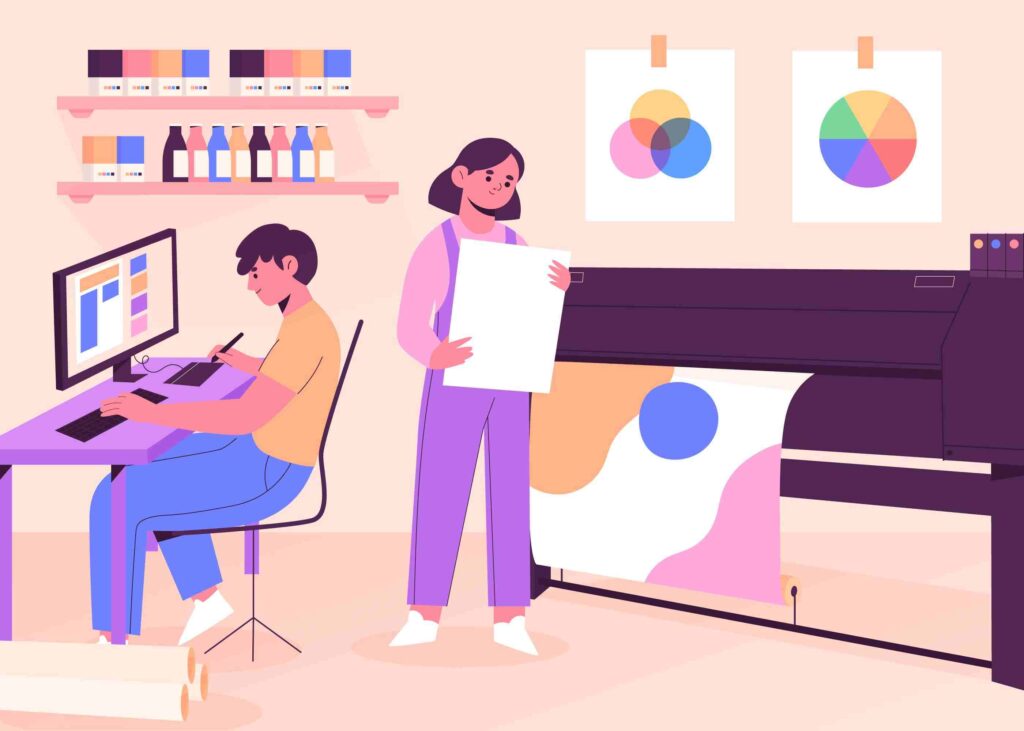
Trend 1: AI-Generated Art
In the Industry 4.0 digital era, AI-powered design has rapidly emerged as a game-changer in the Print on Demand industry. What once started as an experimental tool has now become a powerful creative assistant for sellers. Tools such as Midjourney, DALL-E, and Stable Diffusion allow creators to transform early ideas into stunning artwork within seconds.
Instead of spending hours sketching concepts or waiting days for revisions, AI enables sellers to generate high-quality visual assets almost instantly. As a result, AI-generated design is becoming one of the most influential POD design trends heading into 2026.
Why AI Design Is a Trend You Can’t Ignore in 2026
The rapid development of artificial intelligence brings massive competitive advantages for POD sellers. AI doesn’t just change how designs are created, it also transforms how businesses operate.
- Higher productivity and lower costs
Instead of waiting weeks for designers to complete artwork, AI tools can produce high-quality images in just a few seconds. This dramatically reduces operational costs, especially for new POD stores with limited budgets. - Ultra-fast market testing (A/B testing)
AI can generate dozens of variations from a single prompt. This allows sellers to quickly test multiple design concepts and identify winning products before scaling them for production. - Unlimited creative possibilities
AI breaks traditional creative boundaries by enabling sellers to explore unique art styles, from cyberpunk and abstract aesthetics to minimalist illustrations. This helps products stand out and reduces the risk of design duplication on competitive platforms like Amazon or Etsy.
How to Apply AI in Your POD Production Workflow
To truly scale revenue in 2026, sellers should integrate AI tools into different product categories within their POD business.
Creating artwork for apparel
AI can generate sharp vector-style graphics or detailed illustrations tailored to specific niches such as pets, family themes, motivational quotes, or hobby-based communities. This helps keep apparel designs fresh and aligned with market trends.
Designing canvas and home décor products
AI is particularly effective at creating stunning landscapes, abstract compositions, or seamless repeating patterns that work perfectly for products like canvas prints, pillows, blankets, and curtains. These designs can elevate the perceived value of home décor products.
Automating product mockups
Instead of expensive photoshoots, AI tools can generate highly realistic mockups that showcase products in real-life environments. This helps customers visualize the product better and can significantly increase conversion rates (CR).
Trend 2: Hyper-Personalization
In the rapidly evolving Print on Demand market of 2026, where customers are already familiar with mass-produced designs, hyper-personalization has become a critical differentiator. Modern consumers are no longer satisfied with simply buying a visually appealing product, they want items that tell their personal stories and reflect their unique identity and emotions.
What Is Hyper-Personalization and Why Does It Matter?
Hyper-personalization goes far beyond simply adding a name to a product. It combines customer data, flexible design systems, and customization tools to create products that feel truly tailor-made for each individual.
This trend removes the “industrial” feeling of mass production and transforms every purchase into a meaningful and emotionally valuable gift.
Hyper-Personalized Designs That Are Dominating the Market
To enhance the customer experience, successful POD sellers are focusing on deeper levels of customization, such as:
- Personal identity customization
Beyond adding a name, customers can choose fonts, colors, or styles that reflect their personality, cultural preferences, or aesthetic taste. - Milestone and memory-based designs
Important moments can be preserved by adding special dates, birthdays, anniversaries, or even the geographic coordinates of meaningful locations, such as where two people first met. - Custom illustrated characters
Using personalization tools, customers can customize avatars or illustrations by selecting hairstyles, skin tones, clothing styles, and other visual features to closely resemble themselves or loved ones. - Unique personal messages
Customers can include heartfelt notes, wishes, or personal messages directly within the design, transforming the product into a lasting emotional keepsake.
Product niches such as family matching shirts, birthday gifts, wedding anniversary gifts, and appreciation gifts are particularly well-suited for this hyper-personalization trend.
The Competitive Advantages of Hyper-Personalization for POD Sellers
Beyond improving customer satisfaction, hyper-personalization also delivers clear business benefits for sellers.
- Higher perceived value
Products that include personal elements, such as names or customized designs, naturally feel more valuable. Customers are often willing to pay 20–50% more for products that feel unique to them. - Stronger profit margins
Because personalized products carry higher perceived value, sellers can maintain healthier profit margins without competing purely on price. - Reduced competition pressure
When every product is unique, it becomes much harder for competitors to copy your designs or undercut your pricing. Personalization itself becomes a powerful barrier that protects your brand. - Higher customer retention
Customers who receive meaningful, personalized gifts are more likely to return for future purchases and recommend the brand through word-of-mouth.
Trend 3: Minimalist Design
In a world overflowing with information and complex visuals in 2026, minimalist design remains a strong force in the Print on Demand industry. Guided by the philosophy of “Less is More,” this design style is not just an aesthetic choice but also a lifestyle statement. Minimalist products connect with customers in a subtle yet powerful way, delivering clarity, elegance, and lasting visual impact.
Core Characteristics of Minimalism in 2026 Design
Minimalism does not mean simplicity to the point of being dull. Instead, it is the art of refinement, where every element serves a purpose.
- Simplified visual elements
Unnecessary details are removed, leaving only clean lines, simple icons, or short yet meaningful quotes that communicate the message effectively. - Neutral color palettes
Minimalist designs often rely on classic tones such as black, white, gray, or soft pastel shades, creating a balanced and sophisticated visual identity. - Clean and balanced layouts
Strategic use of white space helps create breathing room within the design, allowing viewers to focus on the core message without distraction.
Why Minimalist Design Continues to Win Customers’ Hearts
Modern consumers increasingly gravitate toward clarity, simplicity, and authenticity. Minimalist design offers several advantages that many other styles struggle to match.
- Timeless elegance
Minimalism naturally conveys sophistication. Even without complex details, minimalist designs can appear refined and premium. - A modern aesthetic
This style aligns perfectly with the visual preferences of Gen Z and Gen Alpha, two influential consumer groups that value subtlety, practicality, and clean design. - High versatility
One of the biggest strengths of minimalist design is its adaptability. Minimalist products easily fit into different lifestyles, outfits, and interior spaces. For example, a minimalist T-shirt can be worn in both casual and semi-professional settings.
POD Product Categories That Work Best with Minimalism
If you plan to leverage this trend, focusing on the right product categories can significantly improve sales performance.
- Apparel (T-shirts and hoodies)
Small chest logos, subtle typography, or minimal graphics placed near the collar area are becoming increasingly popular. - Tote bags
Minimalist tote bags appeal strongly to consumers who appreciate simplicity, sustainability, and everyday practicality. - Posters and art prints
One-line art, geometric shapes, or simple abstract designs can instantly elevate modern interior spaces. - Home décor
Products like ceramic mugs, throw pillows, or decorative prints with minimalist patterns are perfect for homes inspired by Nordic or Zen design styles.
Trend 4: Retro & Vintage Aesthetic
Amid the rapid pace of technological innovation, 2026 is witnessing a remarkable comeback of retro and vintage aesthetics. Consumers, especially Gen Z and Millennials, are increasingly drawn to nostalgic styles that allow them to express individuality and authenticity. Designs inspired by the 1970s, 1980s, and 1990s are no longer just fashion statements; they act as a visual time capsule that brings back colorful memories while still feeling stylish and modern.
Why Retro Design Feels “High Fashion” Again
The renewed popularity of retro design comes from its ability to blend nostalgia with contemporary aesthetics. This combination creates designs that feel both emotionally familiar and visually fresh. A well-executed retro design often includes several signature elements:
- Classic vintage color palettes
Retro designs typically feature earthy tones and nostalgic shades such as mustard yellow, burnt orange, olive green, and teal, colors often associated with vintage film photography and classic design styles. - Retro typography
Bold serif fonts, rounded letterforms, and neon-inspired or disco-style typography reflect the visual identity of old-school advertisements and storefront signage. - Film grain and distressed textures
Adding subtle scratches, grain effects, or faded textures creates the appearance of aged materials, making the design look like a genuine vintage piece with character and history. - Hand-drawn illustrations
Retro aesthetics often incorporate hand-drawn graphics, old-school cartoon characters, or bold pop-art elements that add personality and artistic flair.
POD Products That Work Best with Retro Design
While retro design can work across many product categories, it tends to perform especially well in the following POD products:
- T-shirts and hoodies (graphic apparel)
Vintage-style graphic tees with slightly faded prints, often featuring band-inspired graphics or nostalgic slogans, are consistently popular among younger audiences. - Posters and art prints
Vintage travel posters, retro movie-style prints, or classic advertisement-inspired artwork can transform living spaces into stylish, nostalgic environments. - Stickers and accessories
Retro-themed stickers featuring cassette tapes, handheld gaming devices, vinyl records, or vintage electronics have a strong appeal for younger consumers decorating laptops, phones, and notebooks.
Advantages for POD Sellers Targeting the Vintage Niche
Focusing on retro aesthetics can help sellers build a strong and recognizable brand identity. These designs often evoke emotional connections, which increases engagement and shareability on visual platforms like Pinterest and Instagram.
Additionally, the “vintage-chic” trend allows sellers to position their products as artistic or collectible items, making it easier to justify premium pricing compared to standard POD designs.
Trend 5: Dark Aesthetic & Gothic Style
Alongside bright and cheerful color palettes, 2026 is also witnessing the strong rise of Dark Aesthetic and Gothic Style. These design styles represent mystery, introspection, and bold artistic expression. Once associated mainly with underground culture, dark aesthetics have gradually entered mainstream fashion, becoming a promising niche for POD sellers targeting customers with distinctive tastes.
Why Dark & Gothic Styles Are Gaining Popularity
The appeal of dark aesthetics lies in their mysterious atmosphere, strong personality, and unmistakable artistic identity. These designs allow wearers to express individuality and break away from conventional styles, making a bold statement about their personal identity.
As alternative fashion becomes more widely accepted, dark-themed designs are no longer considered niche or subcultural, they are now part of modern fashion culture and streetwear trends.
Signature Design Elements of Dark & Gotahic Style
To create an authentic modern Gothic design, artists typically incorporate several iconic visual elements.
- Dominant dark color palettes
Black remains the core color, but it is often combined with other deep tones such as charcoal gray, burgundy, or dark purple to add depth and sophistication. - Classic Gothic-inspired patterns
Intricate details inspired by Gothic architecture, ornamental patterns, and dramatic decorative motifs create a sense of elegance mixed with darkness. - Mystical symbols
Symbols like skulls, ravens, crescent moons, thorned roses, and occult-inspired elements are commonly used to build a visually captivating and symbolic aesthetic. - Gothic typography
Sharp, stylized letterforms inspired by medieval calligraphy or old European typography add a powerful visual accent to the design.
Target Audience: A Niche but Highly Loyal Community
One key to success in the POD market is understanding the communities behind each design niche. Dark and Gothic aesthetics are particularly popular among several groups:
- Alternative fashion enthusiasts
Individuals who actively seek unique styles and are open to experimenting with unconventional fashion trends. - Rock and metal music communities
Fans of rock and metal culture often gravitate toward bold, rebellious designs that reflect their musical identity. - Premium streetwear audiences
The fusion of streetwear and dark artistic aesthetics has become increasingly popular on major eCommerce platforms, creating strong demand for edgy and visually striking designs.
Trend 6: Psychedelic & Groovy Patterns
If you’re looking for a fresh creative direction to boost your store’s sales, psychedelic and groovy patterns may be the perfect solution. As we move into 2026, vibrant colors and hypnotic visual patterns are making a strong comeback. More than just a fashion trend, this aesthetic represents freedom, creativity, and an energetic lifestyle.
The Essence of Psychedelic Art: Hypnotic Visual Experiences
Psychedelic design, often influenced by the groovy culture of the 1960s and 1970s, creates visually captivating compositions that immediately grab attention. This artistic style is known for several distinctive features.
- Bold neon color palettes
Psychedelic designs often combine highly contrasting colors such as electric orange, lime green, fuchsia pink, and vibrant purple, creating eye-catching visuals that stand out instantly. - Trippy swirling patterns
Fluid, wave-like shapes and swirling lines create a liquid motion effect, giving the design a dynamic, almost hypnotic appearance. - Abstract and surreal illustrations
Stylized mushrooms, psychedelic flowers, distorted faces, and other imaginative symbols often appear in these designs, giving each artwork a unique and unconventional feel. - Funky and bubbly typography
Rounded, playful fonts with exaggerated shapes add personality and movement to the design, making text elements more expressive and visually engaging.
POD Products That Work Best with Psychedelic Patterns
Because of its bold and energetic nature, this trend performs particularly well with products aimed at younger audiences such as Gen Z and Gen Alpha.
- T-shirts and hoodies (graphic apparel)
Psychedelic graphics can transform basic apparel into vibrant, wearable art pieces that stand out in everyday fashion. - Stickers and phone cases
These small accessories are perfect for bold visual styles, allowing customers to express their personality through eye-catching designs. - Posters and home décor
Wall tapestries, posters, and decorative prints featuring psychedelic patterns can instantly turn a room into a creative and inspiring space.
Why POD Sellers Should Invest in the Psychedelic Niche Now
In a POD market increasingly saturated with safe and minimal designs, psychedelic aesthetics offer maximum visual impact. Younger customers today aren’t just purchasing products, they are looking for unique visual experiences and expressive designs.
Additionally, psychedelic graphics tend to perform exceptionally well during music festivals, summer events, and youth-oriented cultural movements, making this niche especially profitable during seasonal campaigns. For POD sellers willing to experiment with bold creativity, psychedelic and groovy designs can become a powerful way to stand out in the 2026 market.
Trend 7: Bold Typography Design
As we move into 2026, typography design has evolved far beyond its traditional role of simply conveying information. Today, typography itself has become a powerful visual art form. In modern design trends, letters are not only meant to be read, they are meant to be felt.
Among these trends, bold typography, characterized by large, heavy lettering and strong visual impact, is dominating bestseller charts across many Print on Demand platforms. Its directness, clarity, and emotional immediacy make it highly effective for capturing attention.
The Power of Bold Typography: Simple Yet Impactful
You might wonder why designs composed purely of text can sell so well. The answer lies in their ability to deliver a clear, memorable message instantly. A strong bold typography design in 2026 often includes several key elements.
- Large and expressive fonts
Designs typically use heavy or extra-bold typefaces, often modern sans-serif fonts, to create strong visual weight and grab attention immediately. - Short, powerful messages
Instead of long sentences, bold typography focuses on concise phrases or slogans, often just three to five words, that communicate a strong idea or emotion. - Impactful layouts
Text may fill the entire print area or be arranged creatively with layered positioning, shadows, curves, or dynamic alignment to enhance visual depth and interest.
High-Performing Content for Typography Designs
For POD sellers aiming to maximize sales, certain types of text content consistently perform well in typography-based designs.
- Motivational quotes
Inspirational messages related to self-improvement, productivity, or fitness often resonate strongly with audiences. - Funny and relatable phrases
Humorous quotes that reflect everyday situations, such as office life, pet ownership, or common frustrations, can connect easily with specific customer niches. - Sarcastic or edgy statements
Sarcasm and witty humor are particularly popular among Gen Z audiences, who enjoy bold statements that express individuality and attitude.
Why Bold Typography Works So Well in POD Businesses
Even without complex illustrations, typography-based designs remain one of the most profitable design formats in the POD industry.
- High shareability
Relatable quotes and humorous phrases are highly likely to be photographed and shared on social media, helping designs spread organically. - Extreme versatility
Typography designs adapt well to a wide range of products, from T-shirts and hoodies to mugs, tote bags, posters, and stickers. - Fast production speed
Because typography designs rely mainly on text, sellers can quickly respond to trending topics, viral moments, or cultural events simply by updating the message.
Trend 8: Nature-Inspired Design
In the fast-paced and often stressful world of 2026, nature-inspired design has evolved beyond a simple aesthetic trend to become a form of visual comfort. As awareness of sustainability and eco-friendly living continues to grow, consumers increasingly gravitate toward products that reflect the beauty and tranquility of nature.
For Print on Demand sellers, this represents a timeless niche, one that consistently attracts customers who value emotional connection, natural beauty, and environmentally conscious lifestyles.
The Appeal of Nature’s Original Elements
Nature-inspired designs evoke feelings of calmness, balance, and authenticity. By incorporating natural elements into product designs, sellers can create items that feel refreshing and meaningful. Common visual motifs include:
- Botanical patterns (plants and leaves)
Illustrations of plants such as monstera leaves, ferns, or eucalyptus branches add freshness and organic beauty to products and interior spaces. - Timeless floral designs
From elegant roses to delicate wildflowers, floral patterns symbolize femininity, vitality, and natural elegance. - Animal and wildlife imagery
Birds, butterflies, and wildlife illustrations often appear in artistic or stylized forms, adding personality and storytelling elements to designs. - Natural landscapes
Scenes of mountains, oceans, forests, or sunsets can create a sense of adventure and emotional connection with nature.
Nature-Inspired Design Styles Leading the 2026 Trend
To stand out in this niche, sellers should explore several graphic styles that are gaining popularity in nature-themed design.
- Botanical illustration
Highly detailed plant drawings inspired by classic scientific illustrations create a sophisticated and timeless look. - Watercolor nature art
Soft watercolor textures bring a dreamy, artistic quality to natural themes and are especially appealing to audiences who appreciate romantic and artistic aesthetics. - Minimalist nature line art
Using simple lines to depict leaves, flowers, or landscapes creates a clean, modern interpretation of nature that aligns with contemporary minimalist trends.
High-Performing POD Products for Nature-Inspired Designs
Nature-themed graphics are highly versatile and work particularly well across a wide range of POD products.
- Home décor and canvas prints
Nature-inspired artwork can transform empty walls into calming visual environments, such as tropical leaf compositions or floral canvas sets. - Tote bags
Botanical patterns paired with eco-friendly messaging appeal strongly to customers who value sustainable lifestyles. - Posters and wallpapers
Nature-themed posters can bring a sense of relaxation into workspaces or bedrooms, helping create a more peaceful and inspiring atmosphere.
Trend 9: Coordinated Prints & Matching Sets
In modern consumer culture, matching sets have evolved beyond simple clothing items to become symbols of connection, unity, and shared identity. As we move into 2026, coordinated print designs are emerging as a profitable opportunity for Print on Demand sellers. More customers are looking for ways to visually express relationships, whether within families, couples, or social groups.
The Power of Coordinated Design in POD
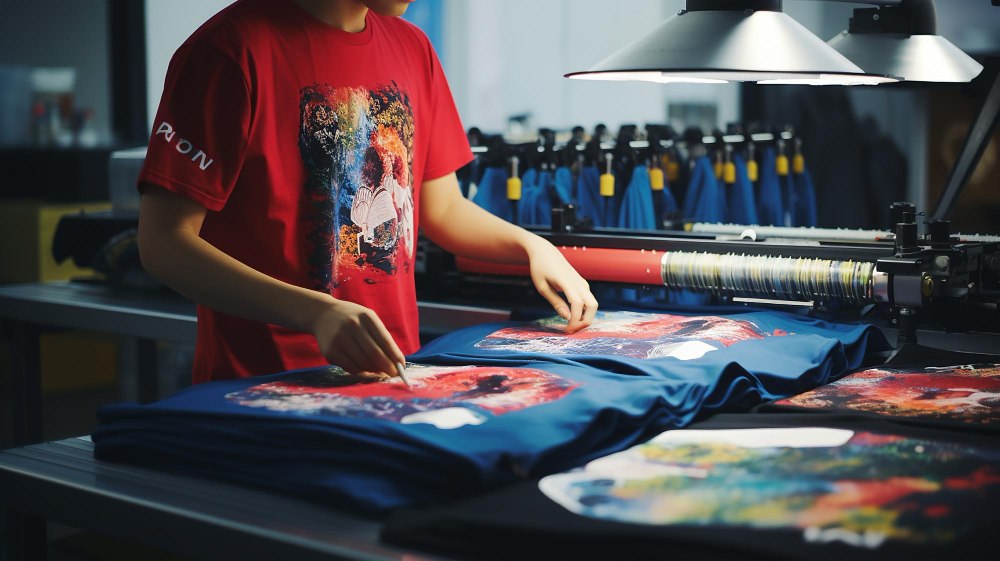
Instead of selling single standalone products, matching sets focus on creating a cohesive visual system that connects multiple items together. This approach gives products a more polished and meaningful feel. Popular product categories include:
- Family matching outfits
These designs are often used during vacations, holidays, or family gatherings, helping create memorable moments and unified group photos. - Couple shirts
Beyond traditional “his and hers” designs, modern matching sets often feature complementary graphics or hidden symbolic messages that only make sense when both shirts are seen together. - Friend group or bestie shirts
Fun and playful designs tailored for close friend groups, often featuring humorous phrases or travel-themed graphics. - Corporate team-building apparel
Companies increasingly use coordinated shirts to strengthen team spirit during corporate events, conferences, or company retreats.
Why Matching Sets Are Consistent Bestsellers
The long-term popularity of coordinated designs comes from their emotional meaning and versatility. Customers often purchase matching sets for meaningful occasions such as:
- Travel and vacations
Group photos become more memorable when everyone wears coordinated outfits that share a common theme. - Birthday parties and celebrations
Matching shirts can make celebrations more fun and visually memorable for both hosts and guests. - Family bonding moments
Matching designs are often purchased as sentimental gifts that help strengthen family connections.
Business Advantages for POD Sellers
Selling coordinated products offers several strategic benefits for POD businesses.
- Higher average order value (AOV)
Instead of selling a single item, sellers can offer bundles, such as two, four, or even larger group sets, significantly increasing the total order value. - More efficient marketing costs
A single customer acquisition can result in multiple product purchases, reducing advertising costs per item sold. - Higher customer loyalty
Because matching sets are often tied to memorable life events, customers tend to develop stronger emotional connections with brands that help them create those moments.
Trend 10: Quiet Luxury Design
In a world filled with bold graphics and loud colors, 2026 is seeing the rise of Quiet Luxury a design philosophy built on subtle sophistication and timeless elegance. Rather than relying on flashy visuals, this trend focuses on refinement, restraint, and high perceived value.
Once limited to high-end fashion houses, Quiet Luxury has now become a powerful direction for Print on Demand sellers who want to attract customers with a more premium and refined aesthetic.
The Essence of Quiet Luxury: Sophistication Without Noise
Quiet Luxury (often associated with the Old Money aesthetic) emphasizes minimalism and subtle detail to create a premium feel without obvious branding.
A POD design aligned with this trend typically includes:
- Neutral color palettes
Timeless tones such as cream, beige, grey, navy, and classic black dominate this style. These colors feel calm, elegant, and easy to style. - Elegant typography
Instead of decorative fonts, Quiet Luxury favors clean serif or modern sans-serif typefaces with carefully balanced spacing and layout. - Subtle design placement
Graphics are usually small and intentionally placed, on the chest, sleeve, or back collar, to create a refined and understated visual impact.
Why Quiet Luxury Is Influencing the POD Industry
Modern consumers, especially professionals and style-conscious buyers, are moving away from oversized logos and loud branding. Quiet Luxury appeals to them because it offers:
- Timeless appeal
Minimalist designs rarely go out of style, giving products a longer lifecycle. - Premium perception
Simple, restrained design often makes a product feel more exclusive and high-end, increasing its perceived value. - Broad market appeal
The clean aesthetic works across genders and age groups, making it ideal for brands targeting minimalist lifestyles.
POD Products Perfect for the Quiet Luxury Trend
To fully leverage this trend, sellers should focus on high-quality blanks and refined design execution.
- Premium T-shirts and sweatshirts
Small, elegant graphics on heavyweight cotton or premium fabrics create a sophisticated look. - Minimalist tote bags
Canvas tote bags with simple line-art or understated logos fit perfectly with the Quiet Luxury aesthetic. - Home decor and scented candles
Minimal label designs featuring architectural elements, typography, or still-life illustrations enhance the premium feel.
The Print on Demand market in 2026 is evolving rapidly as consumer tastes shift toward more personalized, meaningful, and design-driven products. Trends such as AI-generated art, hyper-personalization, minimalist design, and Quiet Luxury are opening new opportunities for sellers to innovate and differentiate their products.
With increasing competition across platforms like Etsy, Amazon, TikTok Shop, and Shopify, staying aligned with design trends can significantly improve product visibility, conversion rates, and brand recognition.
However, success in POD does not come from chasing every trend. The key is selecting the trends that best align with your niche, target audience, and product strategy. By combining creative experimentation with market insights, sellers can build product lines that remain both relevant and profitable over time.
For POD entrepreneurs, the 2026 design landscape should be seen as a source of inspiration, an opportunity to expand product catalogs, refine brand identity, and deliver better customer experiences. With the right design strategy and a reliable fulfillment partner like FlashShip, sellers can focus on what matters most: creating, marketing, and scaling a sustainable POD brand.