



In the printing industry, which technology is leading the way in durability and visual appeal across a wide range of materials? The answer is UV printing – an innovative solution that offers outstanding advantages over traditional printing methods. Not only does it deliver vibrant colors and sharp image quality, but UV printing also proves to be the most powerful option for printing on rigid surfaces such as acrylic, glass, wood, metal, plastic, and signage. This article will help you better understand UV printing technology and why it has become the top choice for products that require long-lasting durability and premium quality.
What Is UV Printing Technology?
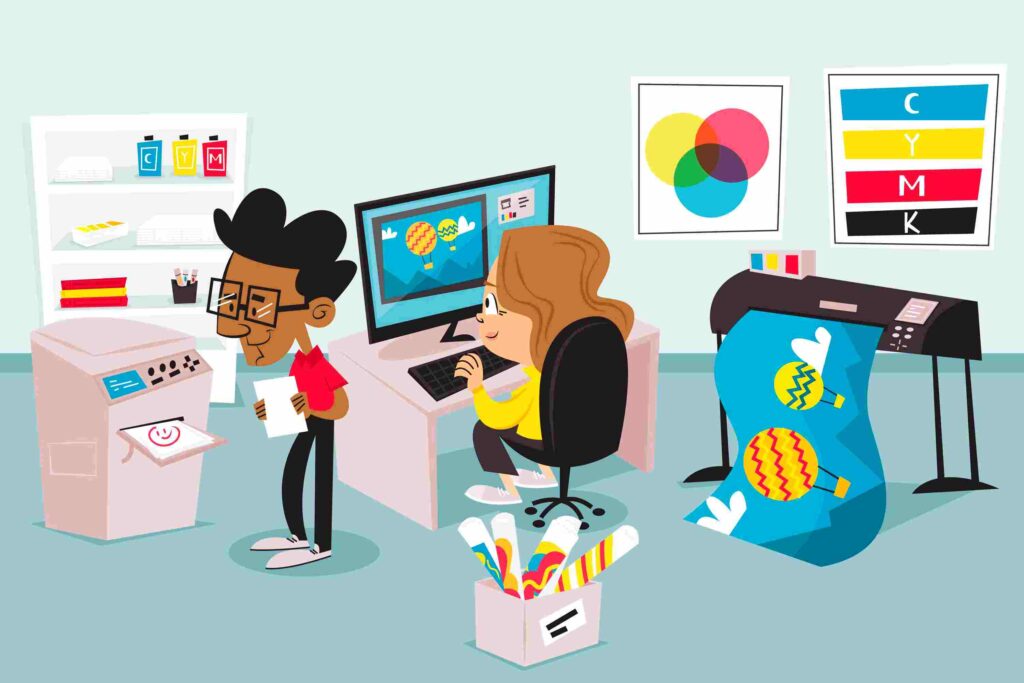
UV printing technology is a direct printing method that uses specialized UV ink combined with ultraviolet (UV) light to instantly cure the ink during the printing process. Thanks to this immediate curing mechanism, the ink adheres firmly to the material’s surface without smudging, blurring, or soaking deeply into the substrate like traditional printing methods.
One of the standout features of UV printing technology is its ability to produce sharp images, vibrant colors, and high durability on a wide variety of materials. In addition to being widely used on rigid surfaces such as acrylic, glass, wood, metal, plastic, and mica, UV printing is also popular in the fields of décor, advertising, personalized gifts, and tech accessory manufacturing.
Moreover, this technology allows for unique 3D embossed printing effects, adding depth and enhancing the visual appeal of products. With excellent color durability, water resistance, and scratch resistance, UV printing is becoming a modern printing trend increasingly preferred by businesses and manufacturing workshops.
Outstanding Advantages of UV Printing Technology
UV printing technology is increasingly being widely applied in the modern printing industry thanks to its ability to produce sharp images, high durability, and compatibility with a wide range of materials. Compared to traditional printing methods, UV printing offers many superior advantages in both product quality and production efficiency. Below are the key benefits of UV printing technology that you should know:
High Color Durability and Excellent Scratch Resistance
UV ink adheres firmly to material surfaces thanks to its instant curing process using ultraviolet light. This helps printed designs resist peeling, scratching, and water damage. UV-printed products also maintain their colors for a long time, making them suitable for both indoor and outdoor environments.
Sharp Images and Vibrant Colors
One of the biggest advantages of UV printing technology is its ability to reproduce highly detailed images. Printed colors appear brighter, sharper, and more consistent compared to many conventional printing inks, making products look more professional and visually appealing.
Compatible with Various Materials
UV printing technology can be applied to a wide range of materials, including glass, acrylic, wood, metal, plastic, leather, canvas, ceramic tiles, and many other surfaces. This is a major advantage that allows businesses to expand their product offerings and meet diverse printing demands.
Unique 3D Embossed Printing Effects
Thanks to its ability to layer multiple ink coatings, UV printing can create 3D embossed effects, adding depth and a more realistic feel to images. When touching the surface, users can clearly feel the raised texture of the design, which enhances the product’s aesthetic value.
Fast Drying Speed for Optimized Production Processes
Unlike traditional printing technologies that require natural drying time or heat drying, UV ink cures instantly under UV light. This significantly shortens production time, minimizes ink smudging, and improves overall operational efficiency.
More Environmentally Friendly
UV ink minimizes the release of solvents and chemical odors during the printing process. As a result, this technology is considered safer for users and more environmentally friendly compared to some traditional types of printing ink.
Thanks to these outstanding advantages, UV printing technology is becoming a popular choice across various industries, including advertising, interior decoration, personalized gifts, tech accessories, and fashion production.
Disadvantages of UV Printing to Consider
Although UV printing offers many outstanding advantages in terms of durability, aesthetics, and versatility, this technology still has certain limitations that users should consider before making a choice. Understanding these drawbacks will help you more accurately evaluate whether UV printing is suitable for your specific needs.
Relatively High Investment and Production Costs
One of the biggest limitations of UV printing technology is its relatively high initial investment cost. Modern UV printers, UV lamp systems, and specialized UV inks are generally more expensive than many traditional printing technologies. As a result, production costs are often higher as well, especially for small-volume orders or businesses with limited budgets.
Difficult to Modify After Completion
UV ink cures almost instantly under ultraviolet light, allowing prints to adhere firmly and achieve high durability. However, this is also a drawback when printing errors occur. Once the print is completed, removing or correcting mistakes is nearly impossible, and in many cases, the entire printing process must be redone from the beginning.
Limitations on Highly Flexible Materials
Because UV ink forms a relatively rigid and thick layer, small cracks may appear if the printed product is frequently stretched, folded, or subjected to strong impact. For this reason, UV printing is generally more suitable for stable materials such as glass, acrylic, metal, leather, canvas, or rigid plastic rather than overly soft or highly elastic materials.
Requires Advanced Technical Skills
To ensure consistent print quality, UV printing technology requires operators to have technical knowledge and experience in machine calibration, ink control, and material surface preparation. Improper setup may lead to issues such as color inconsistencies, poor ink adhesion, or reduced image sharpness.
Despite these limitations, UV printing remains a worthwhile option for businesses and individuals who prioritize high print quality, excellent durability, and superior aesthetics for their products.
What Industries Is UV Printing Used In?
Thanks to its ability to print directly on a wide range of materials, along with excellent color durability and outstanding aesthetics, UV printing technology is increasingly being applied across various industries. From advertising and interior decoration to personalized gifts and tech accessories, UV printing offers a high-quality and flexible printing solution.
Advertising Industry
Advertising is the most common field for UV printing applications. This method is widely used to produce company signage, directional signs, lightboxes, standees, and many other outdoor advertising products. Thanks to its water resistance, fade resistance, and ability to withstand harsh weather conditions, UV-printed products can maintain both durability and visual appeal over time.
Interior and Exterior Decoration
In the décor industry, UV printing technology is used to print directly on glass, wood, acrylic, ceramic tiles, stone, and metal. This makes it possible to create products such as glass artwork, kitchen backsplash glass panels, wall art, decorative partitions, and customized interior details with a modern and personalized style.
Personalized Gifts
UV printing is a popular choice for gift customization due to its ability to create sharp images and unique embossed effects. Products such as tumblers, keychains, pens, gift boxes, photo frames, and wooden souvenirs can all utilize this technology to enhance aesthetic value and exclusivity.
Tech Accessories
Many tech accessories today are produced using UV printing technology, including phone cases, laptop covers, plastic cards, USB drives, and personal electronic devices. The printed designs offer strong adhesion, reduced peeling, and long-lasting color retention even with frequent use.
Fashion and Personal Accessories
In addition to rigid materials, UV printing can also be applied to leather, canvas, and certain compatible materials for producing wallets, handbags, shoes, and fashion accessories. This technology helps create unique, sharp, and durable designs.
With its flexibility, wide range of applications, and superior print quality, UV printing technology is becoming a preferred choice for many businesses in manufacturing, advertising, and product design industries.
Popular Types of UV Printing Technology Today
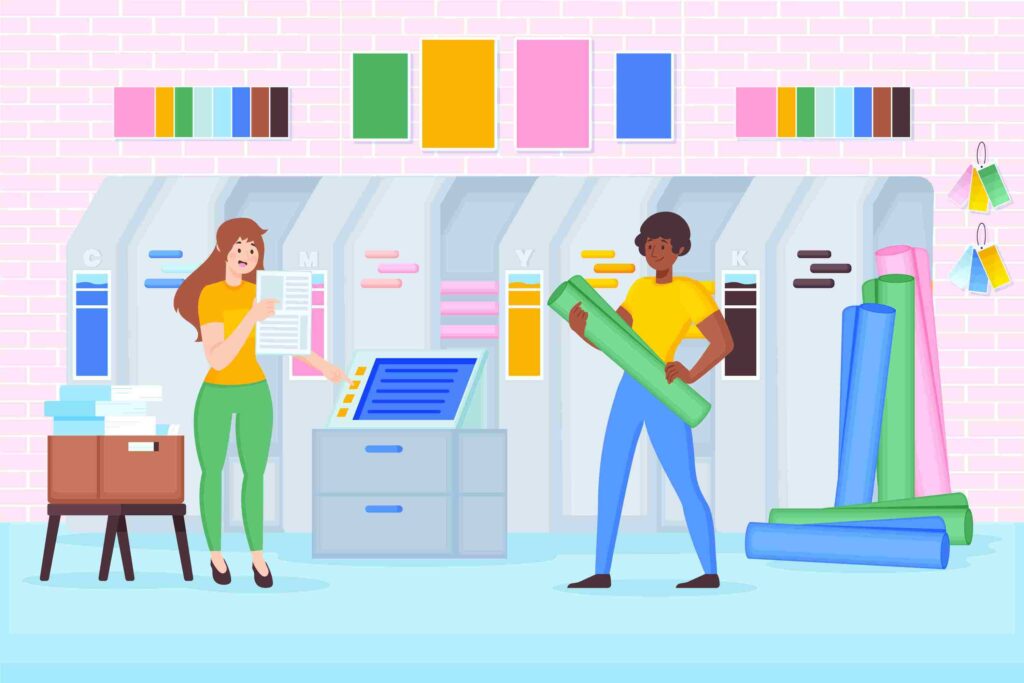
Currently, based on material characteristics and practical usage needs, UV printing technology is commonly divided into three main types: flatbed UV printing, roll-to-roll UV printing, and hybrid UV printing. Each type of UV printer is designed to suit specific material groups and production purposes, helping businesses optimize printing efficiency as well as operational costs.
Flatbed UV Printing
Flatbed UV printing is currently the most widely used type of UV printing technology. This method is suitable for rigid or flat-surfaced materials such as glass, acrylic, wood, metal, rigid plastic, and ceramic tiles.
During the printing process, the material is fixed securely on the printing bed, while the printhead moves across the surface to spray ink directly onto the material and instantly cure it with UV light. Thanks to its sharp print quality, high durability, and excellent stability, flatbed UV printing is commonly used in the production of advertising signage, decorative artwork, directional signs, and interior décor products.
Roll-to-Roll UV Printing
Unlike flatbed UV printing, roll-to-roll UV printing is specifically designed for flexible or rollable materials such as stickers, banners, canvas, film, and other roll-based advertising materials.
With this technology, the material continuously moves through a roller system while the printhead sprays ink directly onto the surface. Thanks to its continuous operating mechanism, roll-to-roll UV printing is ideal for high-volume production, fast printing speeds, and cost optimization. This makes it a popular choice for outdoor advertising, backdrops, banners, and decorative decals.
Hybrid UV Printing
Hybrid UV printing is a type of printer that combines the features of both flatbed UV printing and roll-to-roll UV printing in a single machine. This allows the printer to handle both rigid and flexible materials efficiently, meeting a wide variety of production needs.
Thanks to its versatility, hybrid UV printers are often suitable for printing workshops looking to optimize workspace, reduce the cost of investing in multiple machines, and expand their product range. It is considered a balanced solution in terms of performance, flexibility, and long-term business growth potential.
Choosing the right UV printing technology depends on the printing materials, production scale, and business goals of each company. Understanding the characteristics of each printer type will help optimize operational efficiency and improve final product quality.
Comparison Between UV Printing and Traditional Printing (Offset & Digital Printing)
To understand why UV printing technology is often more expensive than traditional printing methods, it is important to look at the differences in print quality, durability, application versatility, and production processes. Compared to offset printing or digital printing, UV printing offers several superior advantages, especially for products that require high aesthetics and long-lasting durability.
Ink Drying Mechanism
The biggest difference between UV printing and traditional printing lies in the ink drying process. With offset printing or digital printing, the ink usually requires time to dry naturally or relies on heat to evaporate solvents.
In contrast, UV printing technology uses ultraviolet light to cure the ink almost instantly after printing. This helps minimize issues such as smudging, ink bleeding, or image distortion while maintaining sharper and more precise print quality.
Durability and Resistance
Traditional prints are generally more suitable for indoor environments or short-term products. When exposed to sunlight, humidity, or physical impact for extended periods, the printed images may fade or peel over time.
On the other hand, UV ink offers strong adhesion, water resistance, scratch resistance, and better durability under harsh environmental conditions. This is why UV printing is often preferred for outdoor advertising signs, signage boards, and products that require long-lasting performance.
Material Compatibility
Offset printing and digital printing are mainly used on paper, decals, or certain compatible fabrics, which makes their application range relatively limited.
Meanwhile, UV printing technology can print directly on a wide variety of materials, including glass, acrylic, wood, metal, leather, plastic, ceramic tiles, and canvas. This versatility allows businesses to easily expand their product offerings and create more unique designs.
Aesthetic Quality of Finished Products
One of the standout advantages of UV printing is its ability to produce sharp images, vibrant colors, and unique 3D embossed effects. Thanks to multi-layer ink printing technology, UV-printed products offer greater depth and a higher-quality finish compared to traditional printing methods.
Meanwhile, offset printing and digital printing are generally more suitable for basic printing needs and provide limited support for special surface effects.
Safety and Environmental Friendliness
Compared to some traditional inks, UV ink minimizes the release of solvents and chemical odors during the printing process. This helps create a cleaner working environment and provides a safer experience for users.
Thanks to these advantages, UV printing technology is increasingly being widely applied in advertising, interior decoration, personalized gifts, and tech accessory production.
Should You Choose UV Printing or Traditional Printing?
Choosing the right printing technology depends on your intended use and budget.
If your priority is cost optimization, large-volume printing on paper, or short-term products, offset printing or digital printing would be more suitable options.
If you prioritize high durability, sharp image quality, and the ability to print on a wide range of materials, UV printing is a solution worth considering.
Overall, although UV printing comes with higher initial costs, it is still considered an effective choice for products that require durability, aesthetic appeal, and long-term versatility.
It is clear that UV printing technology is increasingly strengthening its position in the printing industry thanks to its ability to produce sharp, fade-resistant prints and its flexible application across various materials. Compared to traditional printing methods, UV printing not only stands out for its visual quality but also effectively meets the demand for highly durable products with strict quality requirements.
Although the initial investment cost may be higher, in terms of long-term value, UV printing remains a worthwhile solution for businesses and individuals seeking a modern, professional, and high-quality printing method.
Hopefully, this article has helped you gain a better understanding of what UV printing is, its key advantages, potential limitations, and practical applications. If you are looking for a durable, sharp, and versatile printing solution for different materials, UV printing is definitely an option worth considering.